CBSE · Board years

CBSE Class 10 — Notes, Chapters & Practice Quizzes

Your Class 10 year, organised — chapter notes, board-style questions and a practice quiz for every chapter.

7 subjects 143 chapters 149 practice quizzes NCERT syllabus
126 quiz attempts so far Dual AI-verified questions 10 quizzes free, then ₹9 per quiz

10 questions · instant score · weak-chapter diagnosis

Class 10 students learning
01 Choose a chapter02 Revise key ideas03 Test recall

Students preparing for CBSE Class 10 Board Examination

View all

Formula of the day
Maths · Quadratic equations · 9 formulae in the cheatsheet
Trap of the day
sin²θ means (sinθ)², not sin(θ²). A pure notation trap that changes the value.
Social Science · 22 chapters
Summary, key terms, extra questions with answers and a practice quiz with AI diagnosis for each.

Chapter 1: The Rise of Nationalism in EuropeClass 10 Social Science — summary, notes, extra questions & NCERT solutions

Try one from this chapter
The 1804 Civil Code that ensured equality before law and abolished feudal privileges is associated with:

Summary

This chapter traces how the modern idea of the nation-state took shape in nineteenth-century Europe. The French Revolution of 1789 first transferred sovereignty from the monarch to a body of citizens, spreading ideas of a common identity, a national flag, a single language and shared laws. Napoleon then carried administrative reforms — the Civil Code, abolition of feudal privileges and a uniform system of weights and measures — across the lands he conquered, even as he curtailed political freedom. After his defeat, the conservative order restored at the Congress of Vienna (1815) tried to undo these changes, but liberal and nationalist movements kept growing, often led by the educated middle classes. Romantic artists, poets and the emerging print culture helped forge a sense of belonging. The revolutions of 1848 linked demands for constitutions with national unification. Step by step Italy (under Cavour, Garibaldi and Mazzini) and Germany (under Bismarck) were unified, and Britain forged a nation-state through the Act of Union. By the century’s end, nationalism had hardened into aggressive imperial rivalries, especially in the Balkans, setting the stage for wider conflict.

The French Revolution and the idea of the nationNapoleon and the Civil CodeLiberalism and the conservative orderUnification of Italy and GermanyNationalism and imperialism in the Balkans

Key terms

Nation-state
A state whose people share a common identity, history and political belonging.
Liberalism
A 19th-century ideology stressing individual freedom, equality before law and government by consent.
Conservatism
A belief in preserving traditional institutions like monarchy, church and family.
Plebiscite
A direct vote by the people of a region to accept or reject a proposal.
Absolutist
A government with centralised, unrestrained and undemocratic monarchical power.
Allegory
A figure or image that stands for an abstract idea, such as Marianne for France.
Conservatism order
The system restored at the Congress of Vienna, 1815, to undo revolutionary change.
Ethnic nationalism
National identity based on a shared language, culture and descent.

Extra questions & answers

Activity

Discuss

Discuss

Activity

Discuss

Discuss

Discuss

Activity

Discuss

Activity

Activity

Activity

Activity

Activity

Write in brief

Discuss

Project

Explore interactively

Key-term flashcards
Flip cards · mark known · keyboard ← → and Space
8 cards
Term1 / 8
Nation-state
Tap to reveal
Meaning1 / 8
A state whose people share a common identity, history and political belonging.
Tap to flip back
Tap card to flip

Keyboard: ← → to move · Space to flip

Practice quiz · The Rise of Nationalism in Europe

Score on this chapter, climb the leaderboard, and get an AI diagnosis of your mistakes.

Dual AI-verified questions Real exam pattern 1 free quiz, first unlock ₹1, then ₹9

#1

The Rise of Nationalism in Europe

Start here
Social Science 10 Qs · ~10 min

Instant score, answer review and weak-topic diagnosis

5.6/10avg score
8/10best

Your Class 10 board-year rhythm

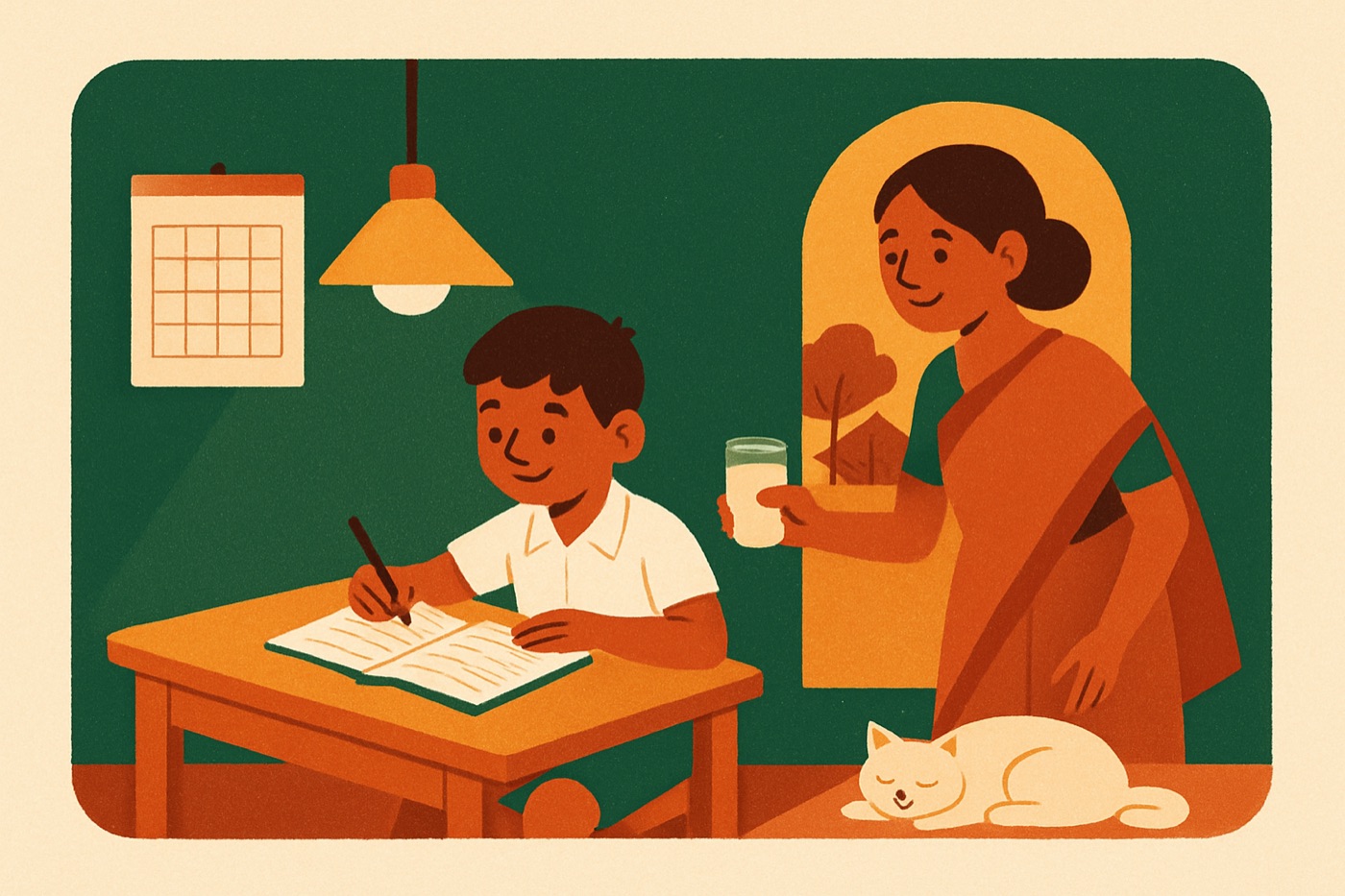
  1. 1A student studying at home in the evening

    A little every day

    Chapter notes and one quiz a day beat a month of last-minute cramming.

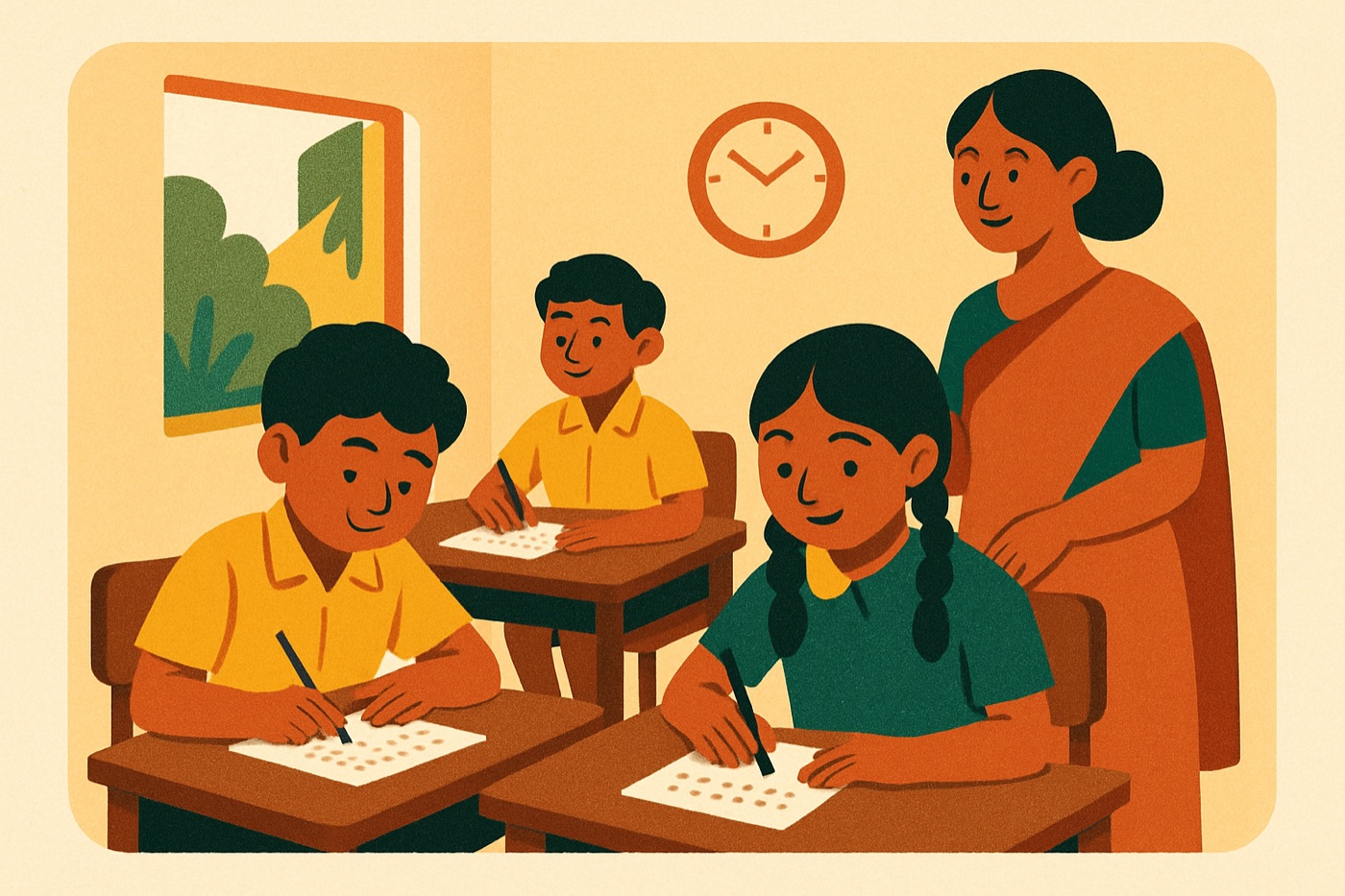
  2. 2Students writing an exam in a bright hall

    Board-pattern practice

    Extra questions with answers and quizzes asked the way the board asks them.

  3. 3A family celebrating a result

    Results you can show off

    Scorecards, leaderboards and AI analysis of every attempt.