CBSE · Board years

CBSE Class 10 — Notes, Chapters & Practice Quizzes

Your Class 10 year, organised — chapter notes, board-style questions and a practice quiz for every chapter.

7 subjects 143 chapters 149 practice quizzes NCERT syllabus
126 quiz attempts so far Dual AI-verified questions 10 quizzes free, then ₹9 per quiz

10 questions · instant score · weak-chapter diagnosis

Class 10 students learning
01 Choose a chapter02 Revise key ideas03 Test recall

Students preparing for CBSE Class 10 Board Examination

View all

Formula of the day
Maths · Quadratic equations · 9 formulae in the cheatsheet
Trap of the day
sin²θ means (sinθ)², not sin(θ²). A pure notation trap that changes the value.
Social Science · 22 chapters
Summary, key terms, extra questions with answers and a practice quiz with AI diagnosis for each.

Chapter 2: Nationalism in IndiaClass 10 Social Science — summary, notes, extra questions & NCERT solutions

Try one from this chapter
Satyagraha, as developed by Mahatma Gandhi, emphasised:

Summary

This chapter studies how a sense of common nationhood developed in India during the struggle against colonial rule, especially between 1918 and 1947. The hardships of the First World War, rising prices, forced recruitment and the Rowlatt Act gave anti-colonial feeling a mass character. Mahatma Gandhi introduced satyagraha — the method of mass non-violent resistance — and launched the Non-Cooperation Movement (1921–22), in which students, lawyers, peasants and workers boycotted schools, courts and foreign goods. After it was withdrawn following the Chauri Chaura violence, the Civil Disobedience Movement began in 1930 with the Salt March to Dandi, defying the salt law as a symbol of unjust taxation. Different social groups — rich and poor peasants, business classes, women and the working class — joined for their own reasons, while Dr B.R. Ambedkar and others raised questions about caste and representation that the movement had to confront. The chapter also shows how a shared identity was built through symbols, songs, the image of Bharat Mata, folklore, flags and a reinterpreted history, turning a diverse people into a nation-in-the-making.

The First World War and the rise of mass nationalismSatyagraha and the Rowlatt ActThe Non-Cooperation MovementThe Civil Disobedience Movement and the Salt MarchMaking the nation: symbols and collective belonging

Key terms

Satyagraha
Gandhi’s method of mass struggle through non-violence and truth-force.
Rowlatt Act (1919)
A repressive law allowing detention without trial; sparked nationwide protest.
Non-Cooperation Movement
The 1921–22 boycott of British schools, courts, titles and goods.
Civil Disobedience Movement
The 1930 movement to break colonial laws, beginning with the Salt March.
Salt March (Dandi March)
Gandhi’s 1930 march to make salt, defying the salt monopoly.
Boycott
The refusal to use or buy goods or take part in institutions as a protest.
Picketing
Peaceful blocking of the entry to shops or offices as a form of protest.
Bharat Mata
The personification of India as a mother figure, used to inspire nationalism.

Extra questions & answers

Activity

Activity

Activity

Activity

Discuss

Discuss

Activity

Write in brief

Discuss

Project

Explore interactively

Key-term flashcards
Flip cards · mark known · keyboard ← → and Space
8 cards
Term1 / 8
Satyagraha
Tap to reveal
Meaning1 / 8
Gandhi’s method of mass struggle through non-violence and truth-force.
Tap to flip back
Tap card to flip

Keyboard: ← → to move · Space to flip

Practice quiz · Nationalism in India

Score on this chapter, climb the leaderboard, and get an AI diagnosis of your mistakes.

Dual AI-verified questions Real exam pattern 1 free quiz, first unlock ₹1, then ₹9

#1

Nationalism in India

Start here
Social Science 10 Qs · ~10 min

Instant score, answer review and weak-topic diagnosis

8/10avg score
8/10best

Your Class 10 board-year rhythm

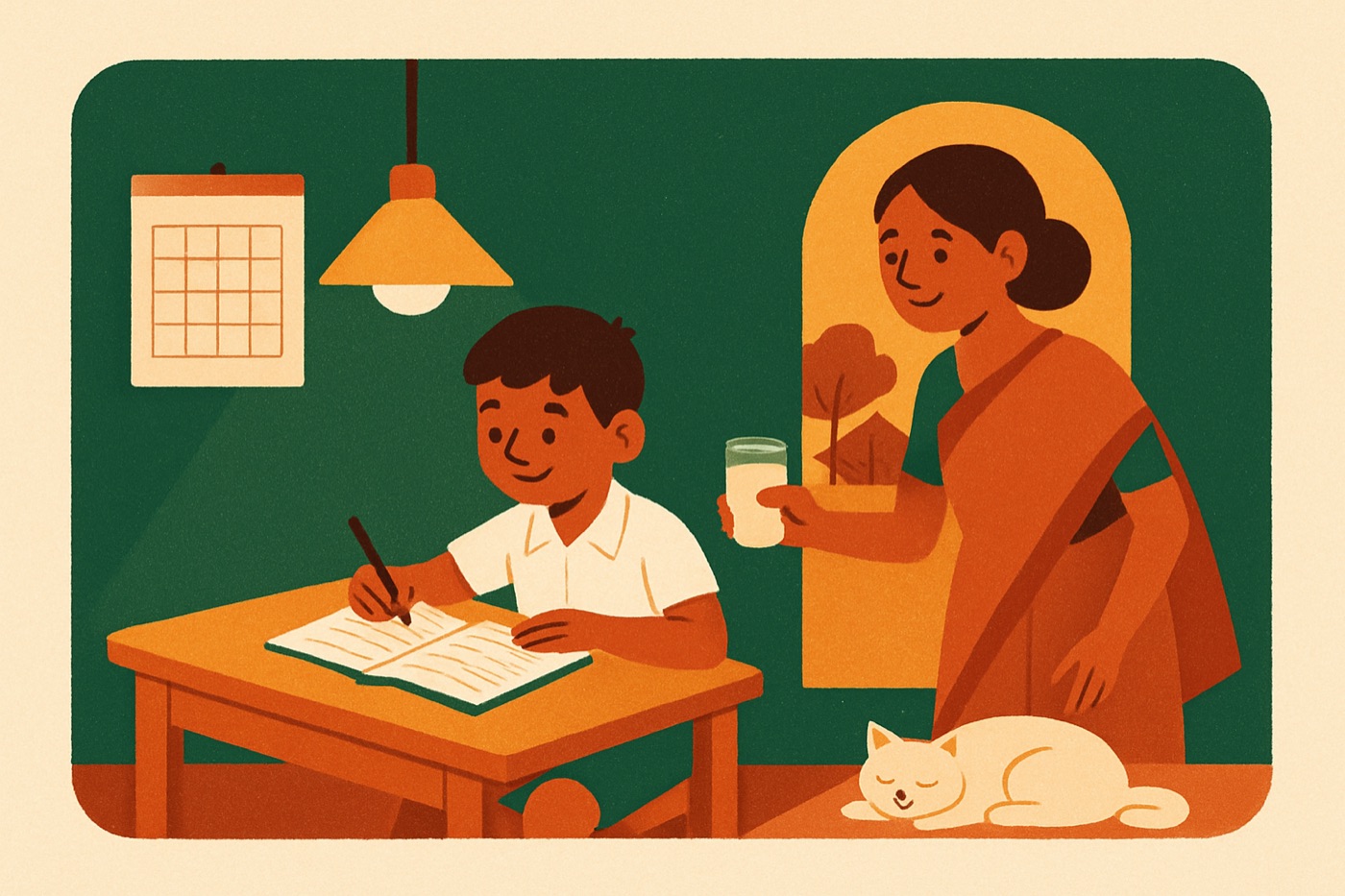
  1. 1A student studying at home in the evening

    A little every day

    Chapter notes and one quiz a day beat a month of last-minute cramming.

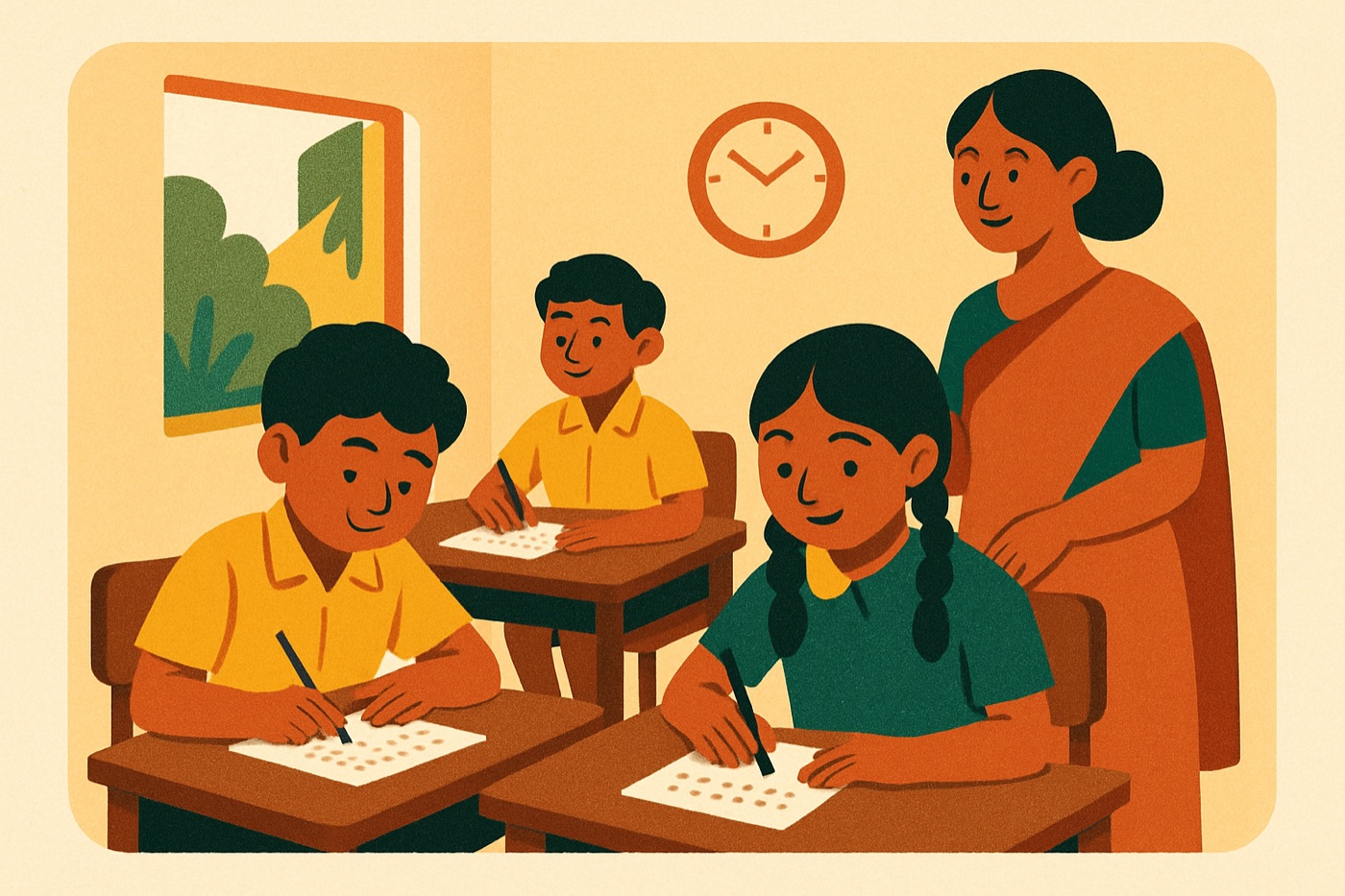
  2. 2Students writing an exam in a bright hall

    Board-pattern practice

    Extra questions with answers and quizzes asked the way the board asks them.

  3. 3A family celebrating a result

    Results you can show off

    Scorecards, leaderboards and AI analysis of every attempt.