CBSE · Board years

CBSE Class 10 — Notes, Chapters & Practice Quizzes

Your Class 10 year, organised — chapter notes, board-style questions and a practice quiz for every chapter.

7 subjects 143 chapters 149 practice quizzes NCERT syllabus
126 quiz attempts so far Dual AI-verified questions 10 quizzes free, then ₹9 per quiz

10 questions · instant score · weak-chapter diagnosis

Class 10 students learning
01 Choose a chapter02 Revise key ideas03 Test recall

Students preparing for CBSE Class 10 Board Examination

View all
Formula of the day
Maths · Quadratic equations · 9 formulae in the cheatsheet
Trap of the day
sin²θ means (sinθ)², not sin(θ²). A pure notation trap that changes the value.
Social Science · 22 chapters
Summary, key terms, extra questions with answers and a practice quiz with AI diagnosis for each.

Chapter 5: Minerals and Energy ResourcesClass 10 Social Science — summary, notes, extra questions & NCERT solutions

Try one from this chapter
Iron ore and manganese are examples of:

Summary

This chapter studies minerals and the energy that powers the economy. A mineral is a naturally occurring substance with a definite chemical composition, found in rocks as ores in veins and lodes, in beds and layers, and as alluvial or placer deposits. Minerals are classified as metallic — ferrous (iron ore, manganese) and non-ferrous (copper, bauxite) — non-metallic (mica, limestone) and energy minerals (coal, petroleum). The chapter describes their distribution and uses across India and stresses that, because minerals are exhaustible and take ages to form, they must be conserved through planned and efficient use and recycling. The second part covers energy resources, both conventional — coal, petroleum, natural gas, electricity (thermal and hydro) and firewood — and non-conventional — solar, wind, tidal, geothermal, biogas and nuclear energy. It highlights the need to shift towards renewable and clean energy to cut pollution, reduce dependence on fossil fuels and ensure sustainable development.

What minerals are and how they occurClassification of mineralsDistribution and uses of key mineralsConservation of mineralsConventional energy resourcesNon-conventional energy resources

Key terms

Mineral
A naturally occurring substance with a definite chemical composition.
Ore
A rock or mineral from which a metal can be profitably extracted.
Ferrous minerals
Minerals that contain iron, such as iron ore and manganese.
Non-ferrous minerals
Metallic minerals without iron, such as copper, bauxite and gold.
Conventional energy
Traditional energy sources such as coal, petroleum and firewood.
Non-conventional energy
Renewable energy from sources like the sun, wind, tides and geothermal heat.
Placer deposits
Minerals found as alluvial deposits in sands of valley floors.
Conservation of minerals
Planned, efficient use and recycling so that minerals last longer.

Extra questions & answers

Dig a little deeper:

Dig a little deeper

Dig a little deeper:

Dig a little deeper:

Dig a little deeper:

Dig a little deeper:

Dig a little deeper:

Activity

Activity

Activity

EXERCISES

ACTIVITY

Explore interactively

Key-term flashcards
Flip cards · mark known · keyboard ← → and Space
8 cards
Term1 / 8
Mineral
Tap to reveal
Meaning1 / 8
A naturally occurring substance with a definite chemical composition.
Tap to flip back
Tap card to flip

Keyboard: ← → to move · Space to flip

Practice quiz · Minerals and Energy Resources

Score on this chapter, climb the leaderboard, and get an AI diagnosis of your mistakes.

Dual AI-verified questions Real exam pattern 1 free quiz, first unlock ₹1, then ₹9

#1

Minerals and Energy Resources

Start here
Social Science 10 Qs · ~10 min

Instant score, answer review and weak-topic diagnosis

10/10avg score
10/10best

Your Class 10 board-year rhythm

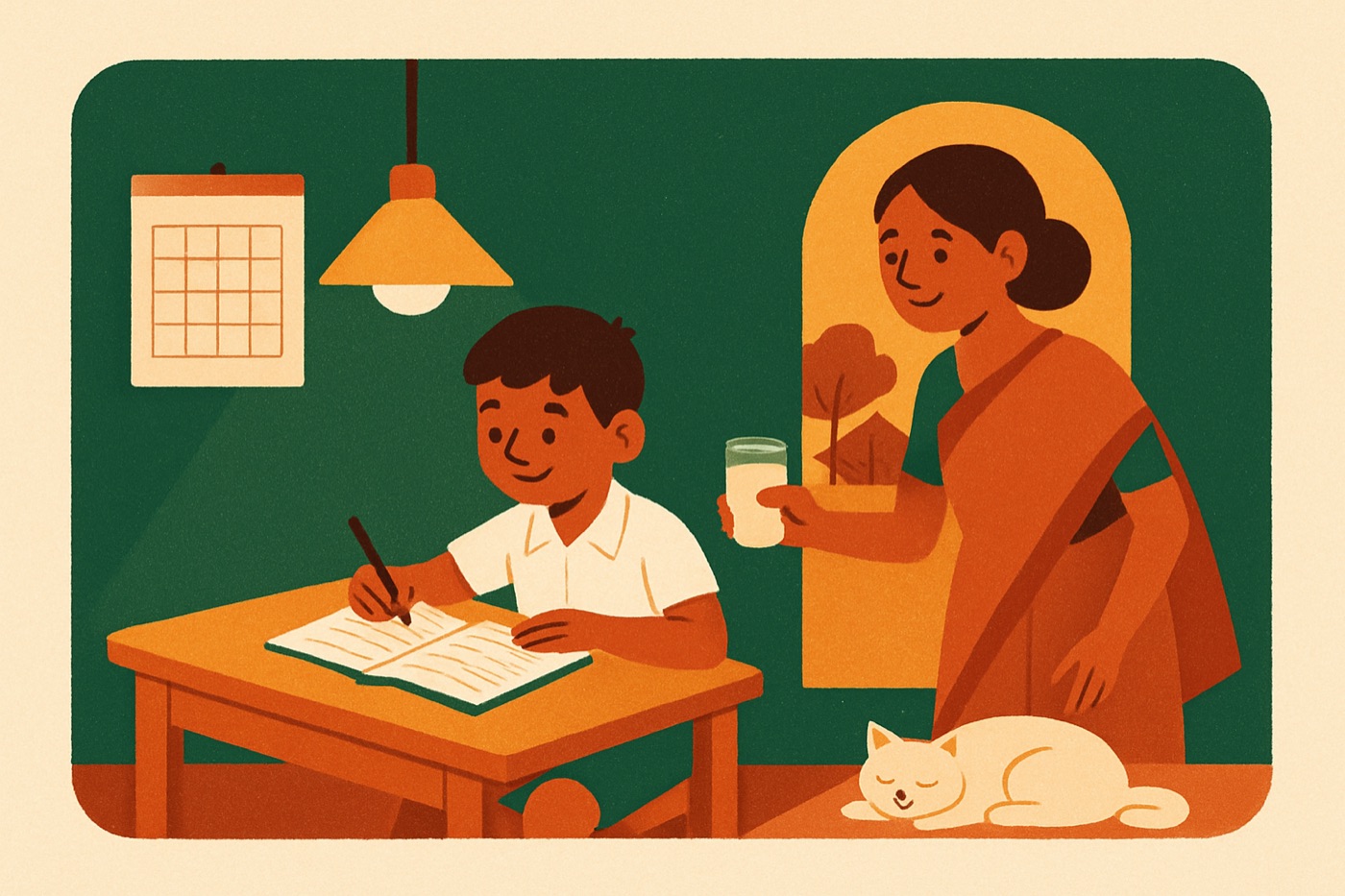
  1. 1A student studying at home in the evening

    A little every day

    Chapter notes and one quiz a day beat a month of last-minute cramming.

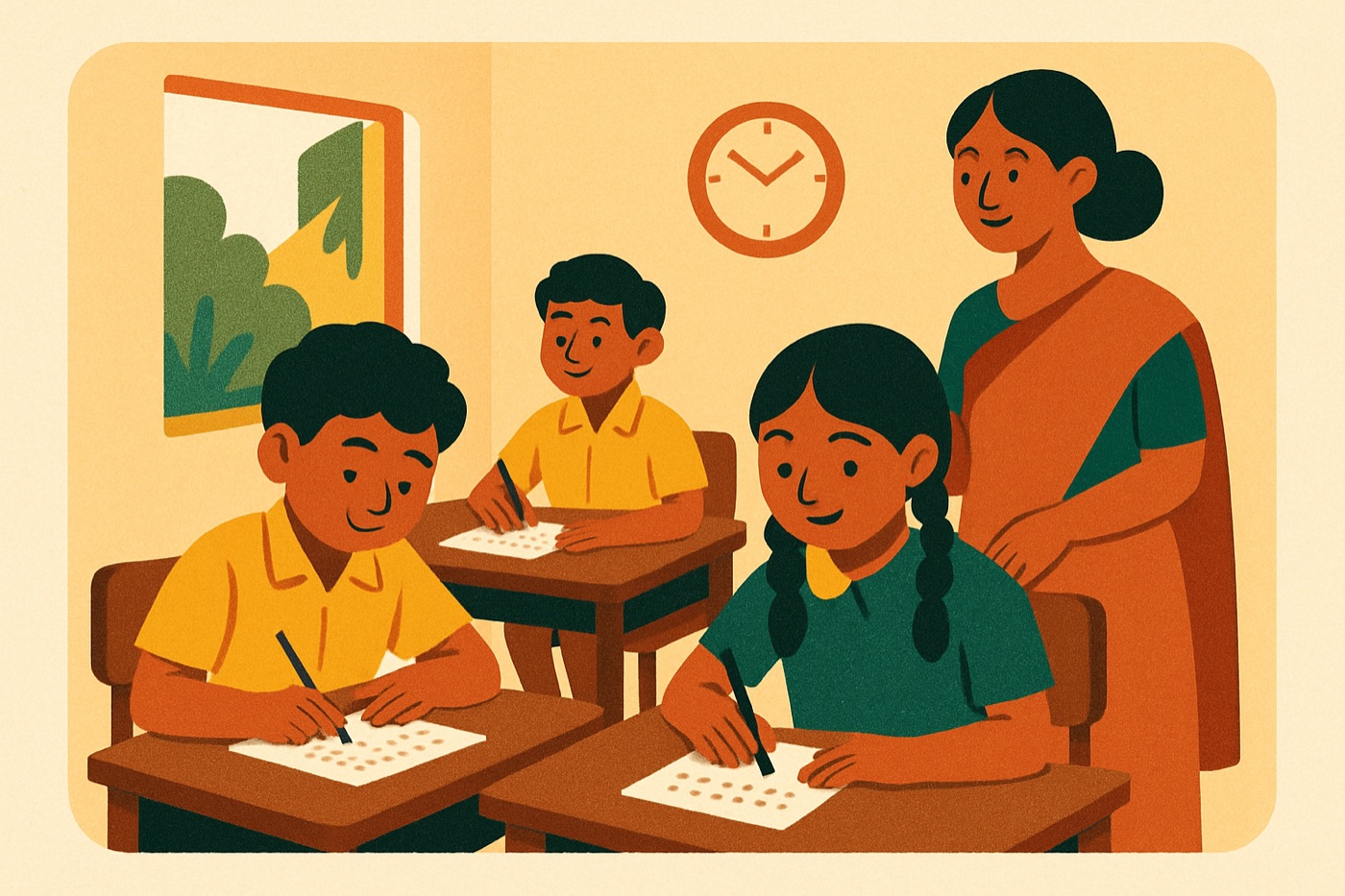
  2. 2Students writing an exam in a bright hall

    Board-pattern practice

    Extra questions with answers and quizzes asked the way the board asks them.

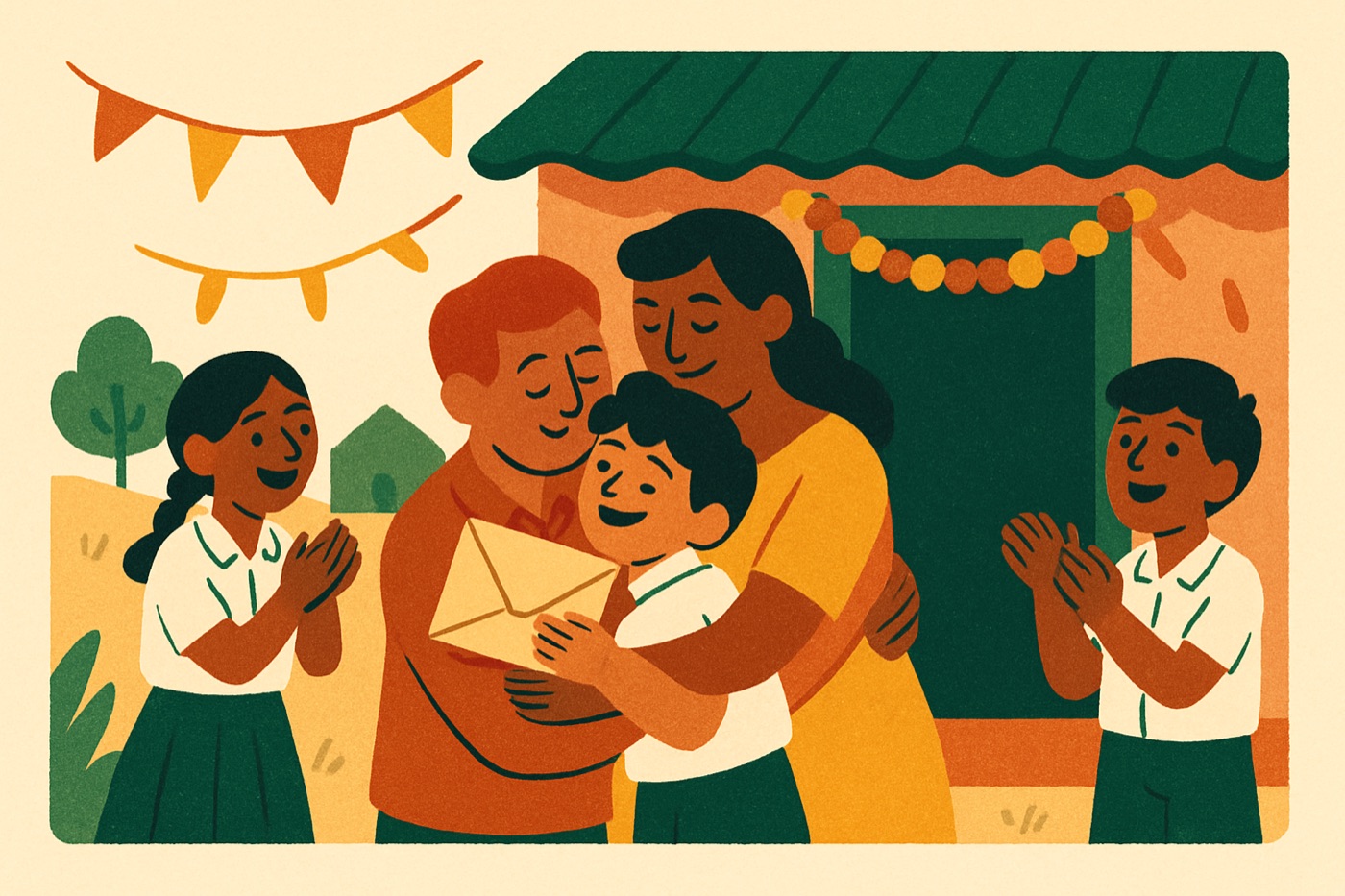
  3. 3A family celebrating a result

    Results you can show off

    Scorecards, leaderboards and AI analysis of every attempt.