CBSE · Board years

CBSE Class 10 — Notes, Chapters & Practice Quizzes

Your Class 10 year, organised — chapter notes, board-style questions and a practice quiz for every chapter.

7 subjects 143 chapters 149 practice quizzes NCERT syllabus
126 quiz attempts so far Dual AI-verified questions 10 quizzes free, then ₹9 per quiz

10 questions · instant score · weak-chapter diagnosis

Class 10 students learning
01 Choose a chapter02 Revise key ideas03 Test recall

Students preparing for CBSE Class 10 Board Examination

View all
Formula of the day
Maths · Quadratic equations · 9 formulae in the cheatsheet
Trap of the day
sin²θ means (sinθ)², not sin(θ²). A pure notation trap that changes the value.
Social Science · 22 chapters
Summary, key terms, extra questions with answers and a practice quiz with AI diagnosis for each.

Chapter 5: Print Culture and the Modern WorldClass 10 Social Science — summary, notes, extra questions & NCERT solutions

Try one from this chapter
The earliest kind of print technology developed in:

Summary

This chapter traces the history of print from its earliest forms in East Asia to the print revolution in Europe and its arrival in India. The first kind of print technology was hand printing in China, Japan and Korea, used for books, calendars and texts. In the 1430s Johann Gutenberg developed the printing press with movable metal type, making books cheaper and faster to produce and triggering a print revolution. Print created a new reading public, helped spread the ideas of the Reformation and the Enlightenment, and worried rulers and the church who feared loss of control, leading to censorship. In India, print arrived with Christian missionaries and grew rapidly in the nineteenth century with newspapers, journals, religious texts and cheap books in many languages. Print became a powerful tool for reform and debate on issues such as the condition of women, caste and religion, and for nationalist mobilisation against colonial rule. The colonial government responded with controls like the Vernacular Press Act of 1878. The chapter shows how print shaped public opinion, identity and political life.

Early hand printing in East AsiaThe Gutenberg press and the print revolutionPrint, the Reformation and the reading publicThe coming of print to IndiaPrint, reform, censorship and nationalism

Key terms

Print revolution
The transformation caused by the spread of printed books after the printing press.
Movable type
Reusable metal letters that can be arranged to print any text.
Gutenberg press
The first European printing press with movable metal type, c. 1430s.
Manuscript
A handwritten book or document made before printing became common.
Vellum
A parchment made from animal skin used for writing before paper.
Vernacular Press Act (1878)
A colonial law to censor and control Indian-language newspapers.
Compositor
A worker who composes the text by setting movable type for printing.
Chapbook
A cheap, small pocket-sized book sold by travelling pedlars.

Extra questions & answers

Activity

Activity

Discuss

Activity

Discuss

Activity

Activity

Write in brief

Discuss

Project

Explore interactively

Key-term flashcards
Flip cards · mark known · keyboard ← → and Space
8 cards
Term1 / 8
Print revolution
Tap to reveal
Meaning1 / 8
The transformation caused by the spread of printed books after the printing press.
Tap to flip back
Tap card to flip

Keyboard: ← → to move · Space to flip

Practice quiz · Print Culture and the Modern World

Score on this chapter, climb the leaderboard, and get an AI diagnosis of your mistakes.

Dual AI-verified questions Real exam pattern 1 free quiz, first unlock ₹1, then ₹9

#1

Print Culture and the Modern World

Start here
Social Science 10 Qs · ~10 min

Instant score, answer review and weak-topic diagnosis

Your Class 10 board-year rhythm

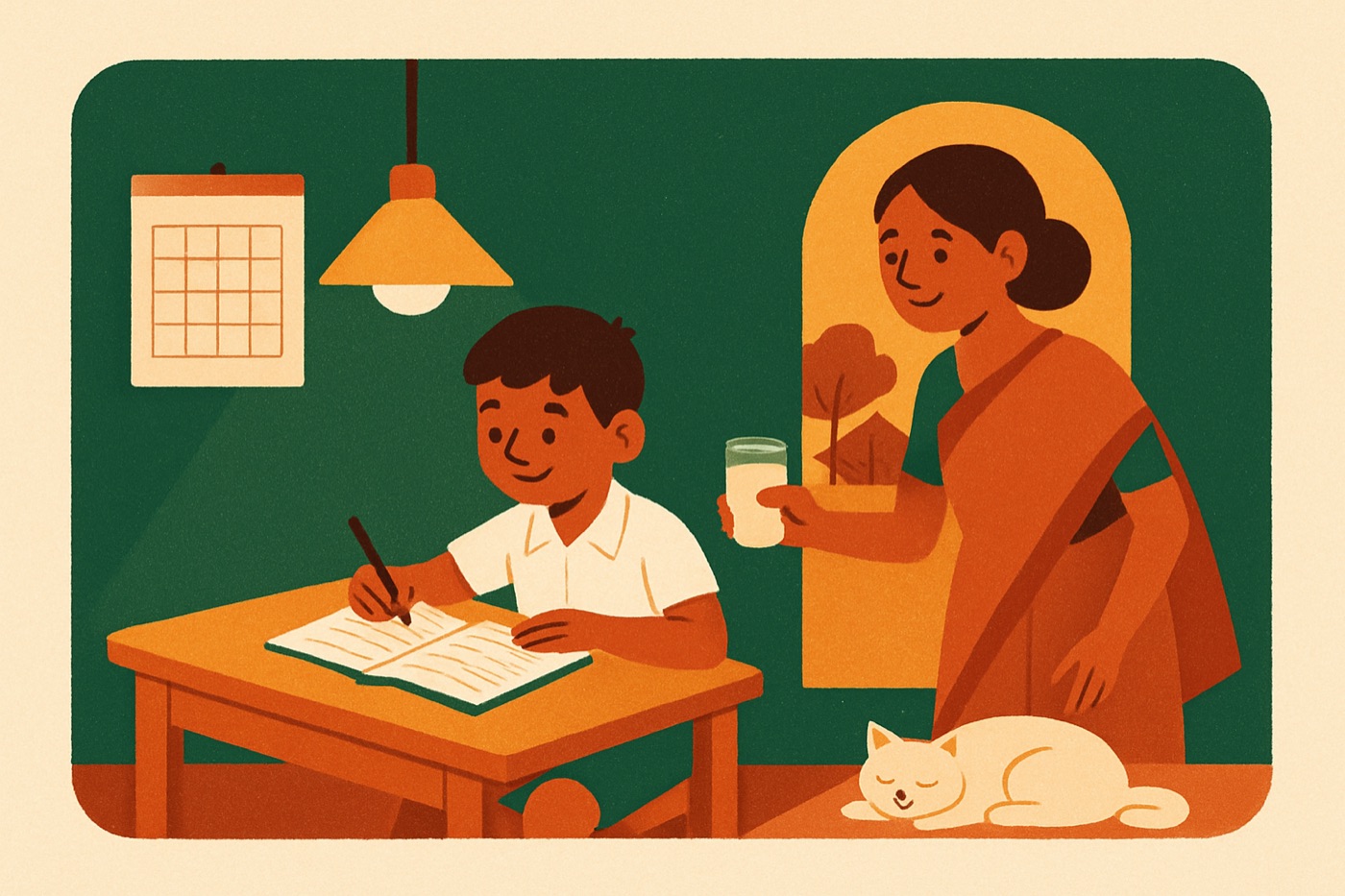
  1. 1A student studying at home in the evening

    A little every day

    Chapter notes and one quiz a day beat a month of last-minute cramming.

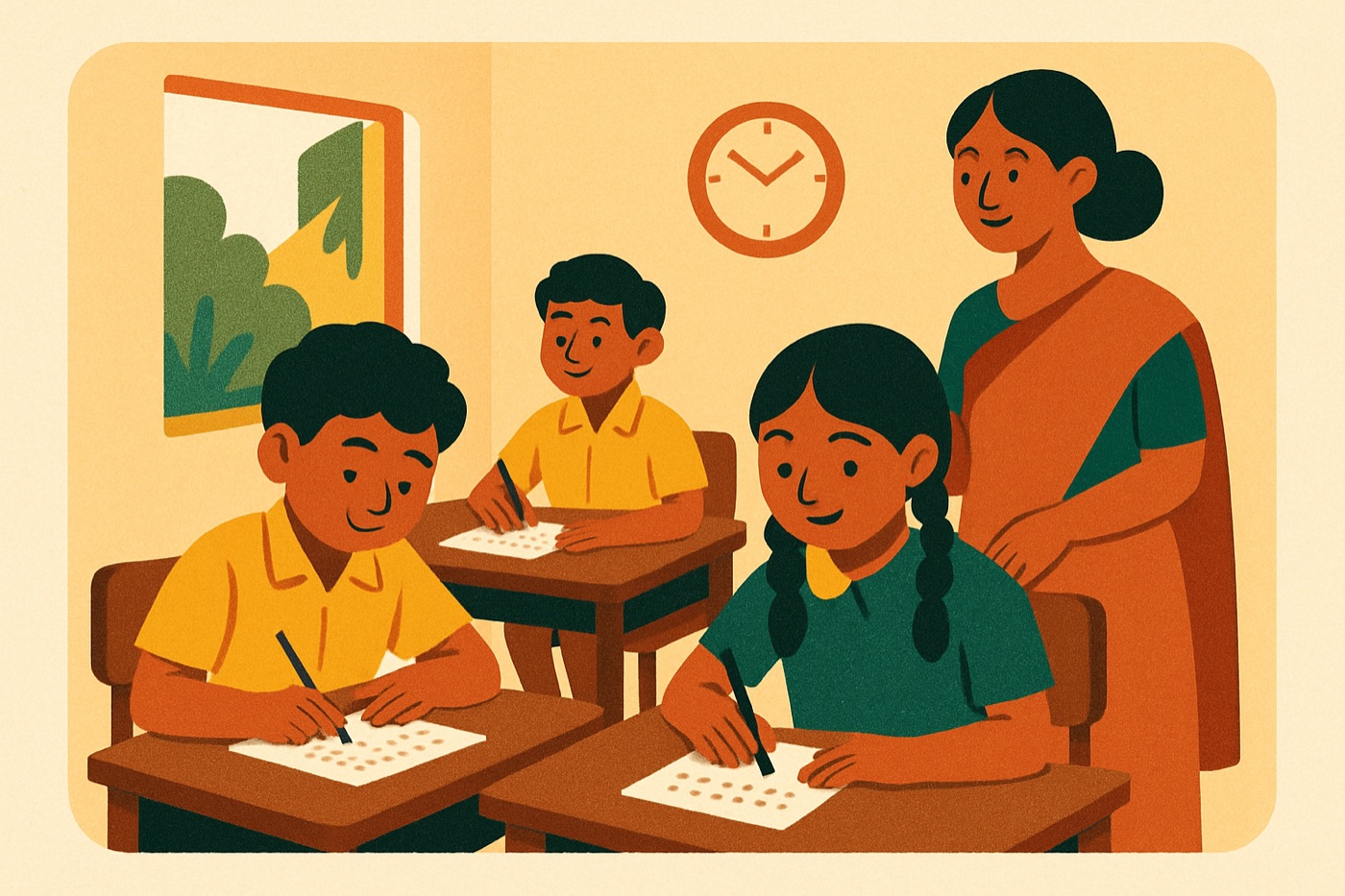
  2. 2Students writing an exam in a bright hall

    Board-pattern practice

    Extra questions with answers and quizzes asked the way the board asks them.

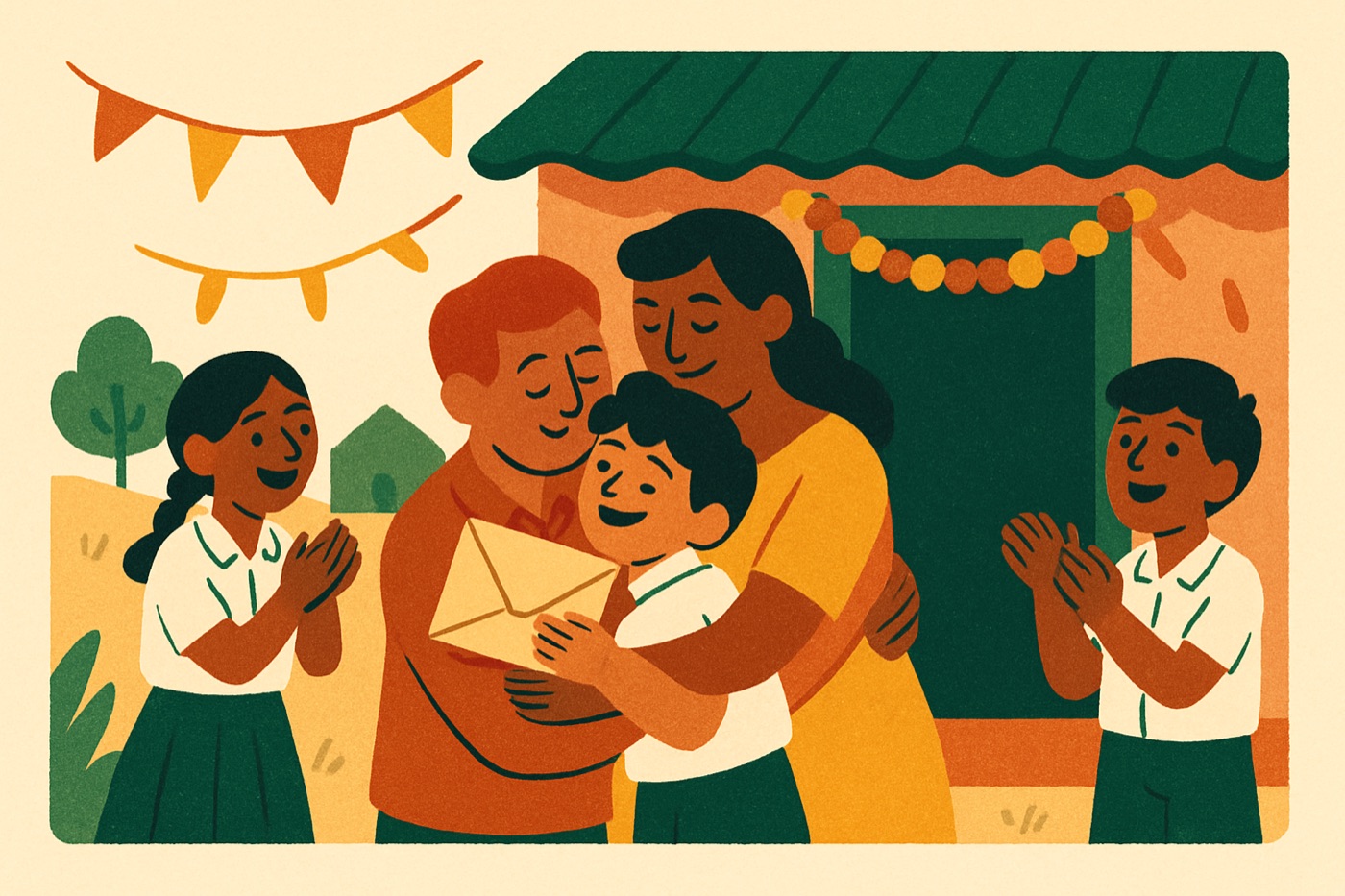
  3. 3A family celebrating a result

    Results you can show off

    Scorecards, leaderboards and AI analysis of every attempt.