CBSE Class 12 — Notes, Chapters & Practice Quizzes
Master every Class 12 chapter — the base your board marks and your NEET / JEE / CUET prep both stand on.
10 questions · instant score · weak-chapter diagnosis

Students preparing for CBSE Class 12 Board Examination
View all

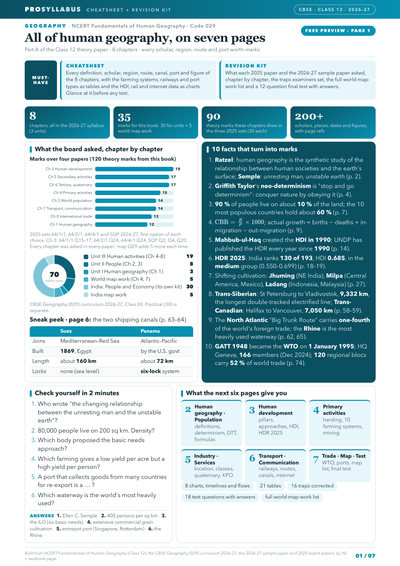
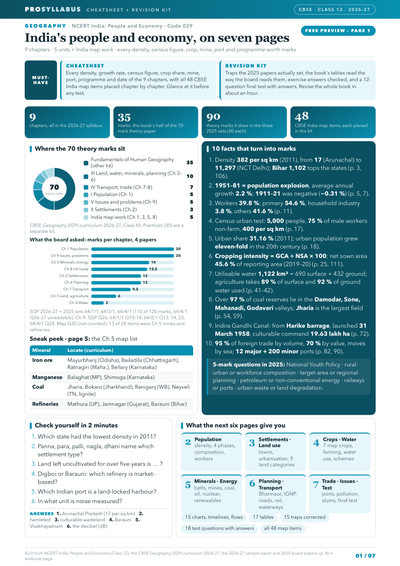
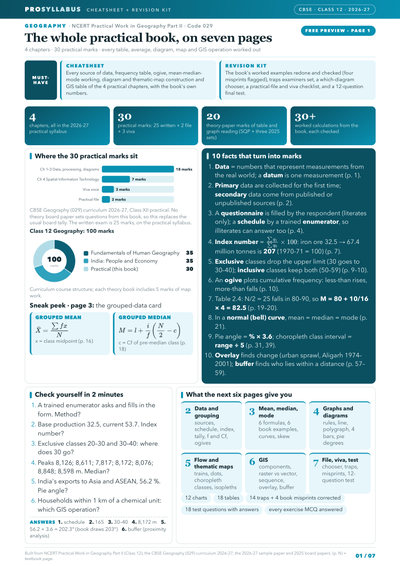 3
3- Geography
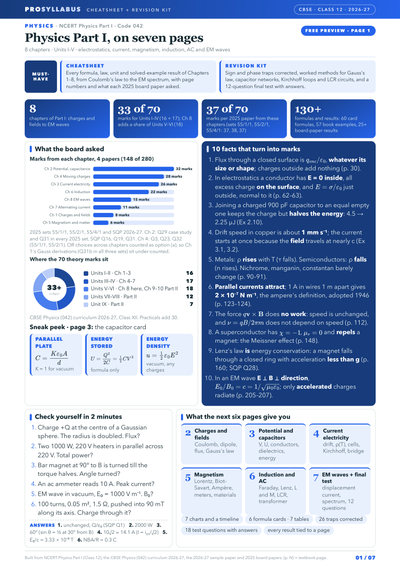
 8
8- Mathematics
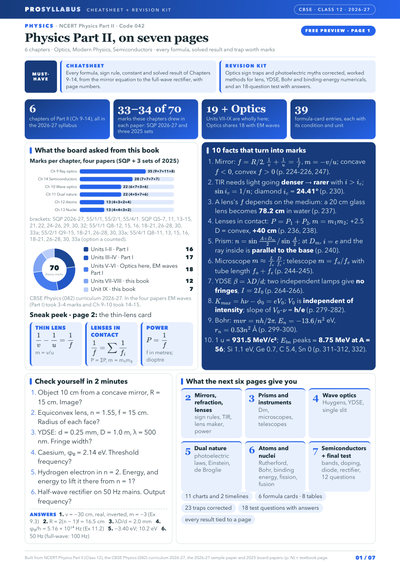
- Physics
- + 3 more
- Physics
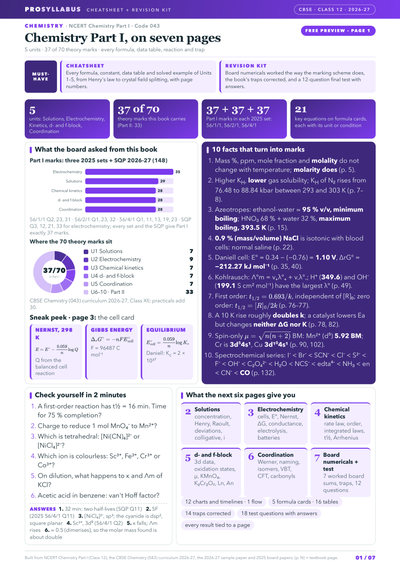
- Chemistry
- + 3 more
 9
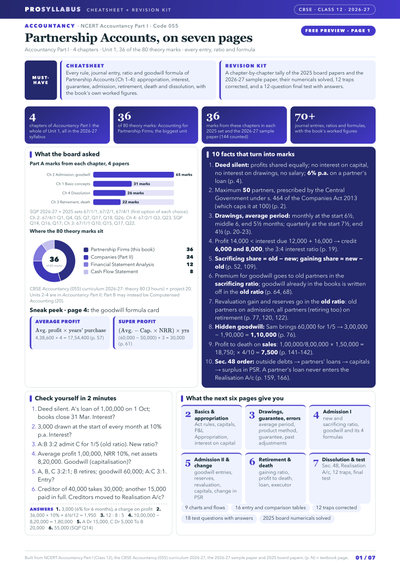
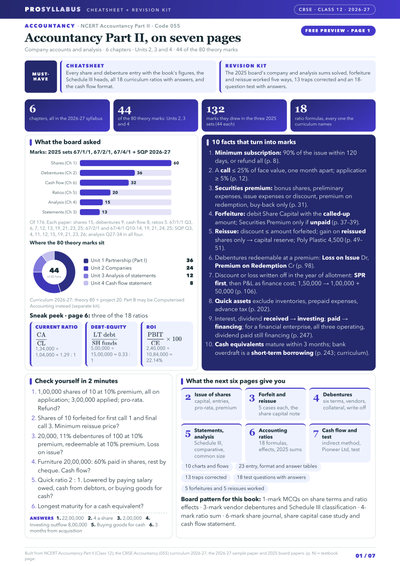
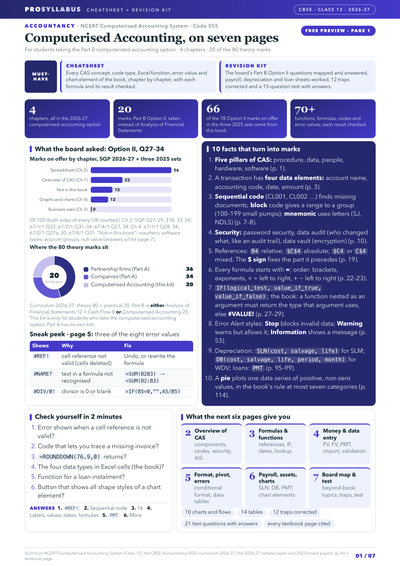
9- Accountancy
- Business Studies
- + 3 more
- Space weighted by unit marks
- Charts from the book's own data
- Traps corrected
- Space weighted by unit marks
- Charts from the book's own data
- Traps corrected
- Space weighted by unit marks
- Charts from the book's own data
- Traps corrected
- Physics
 3
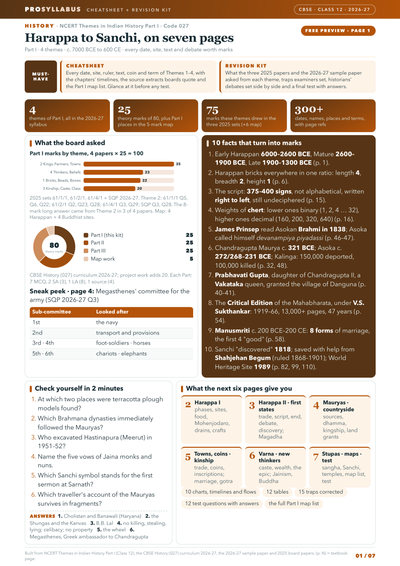
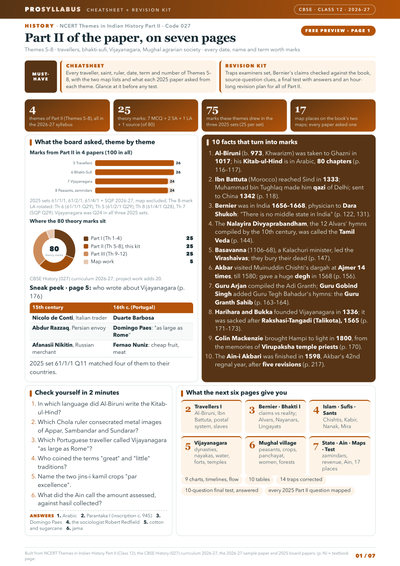
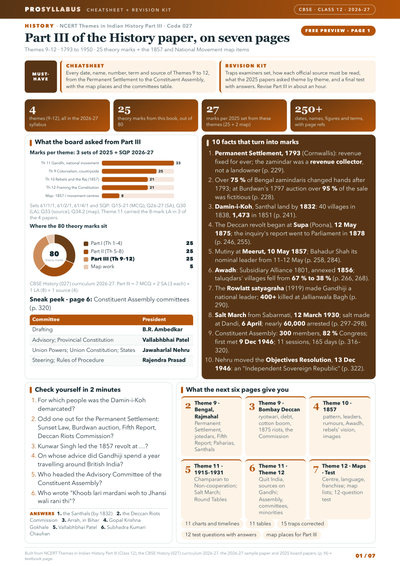
3- History
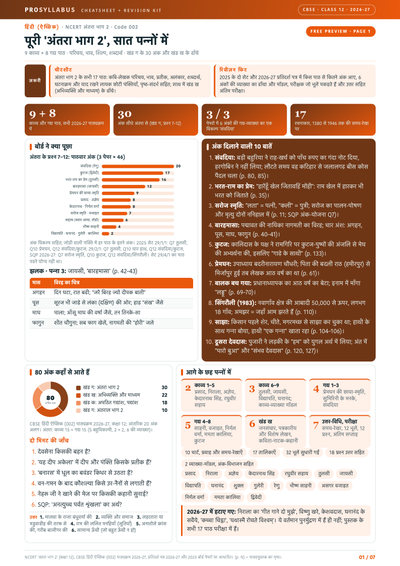
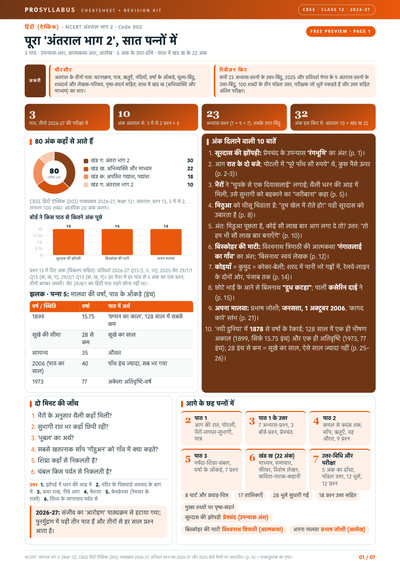 2
2- हिंदी
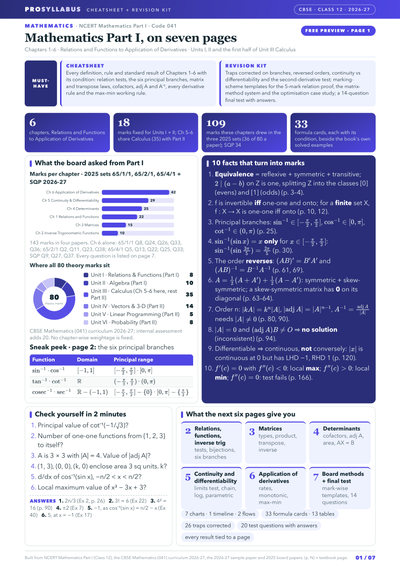
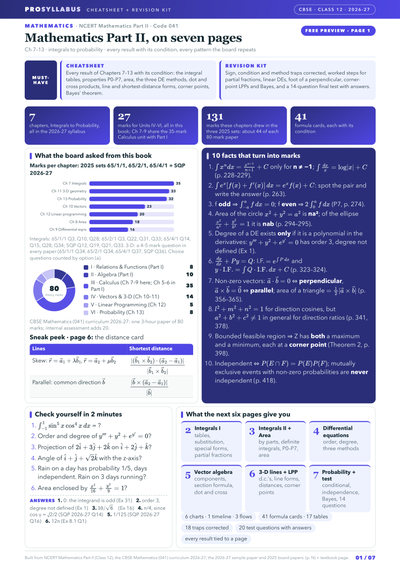 2
2- Mathematics
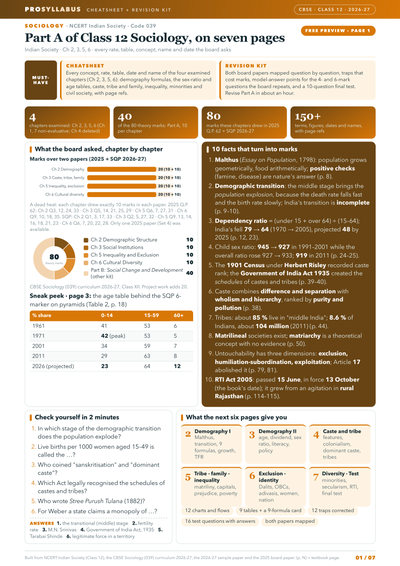
 2
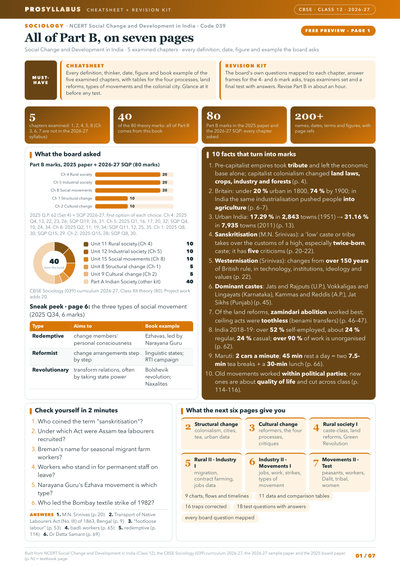
2- Sociology
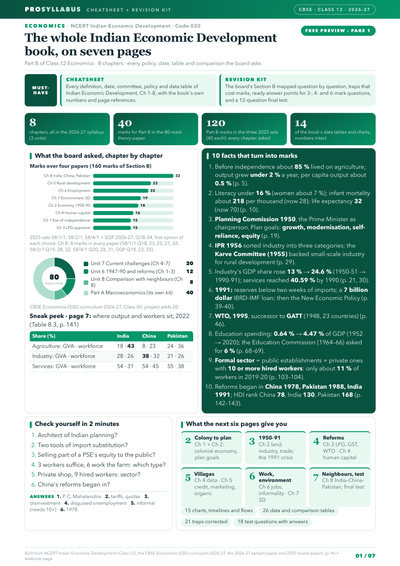
 2
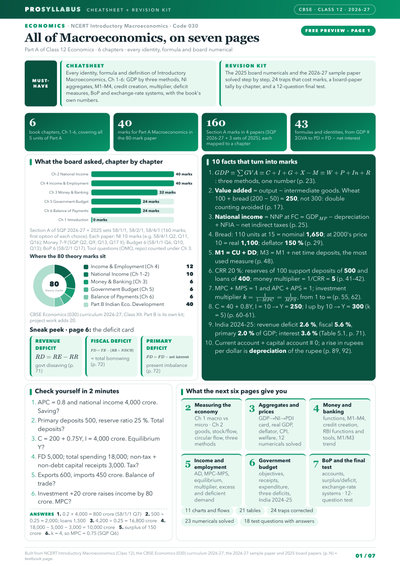
2- Economics
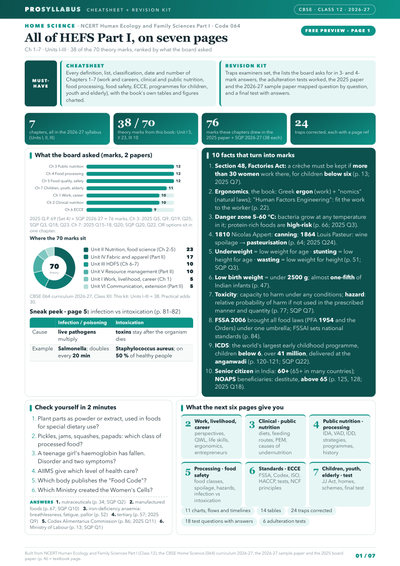
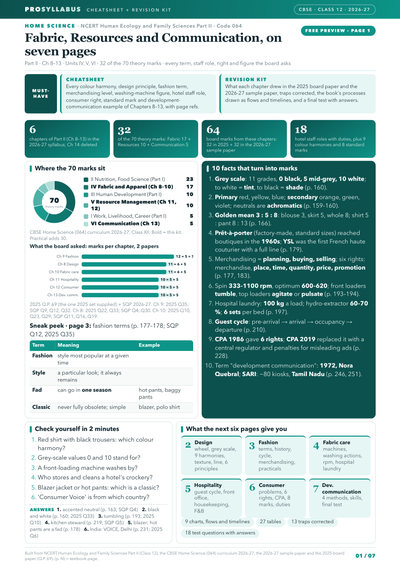 2
2- Home Science
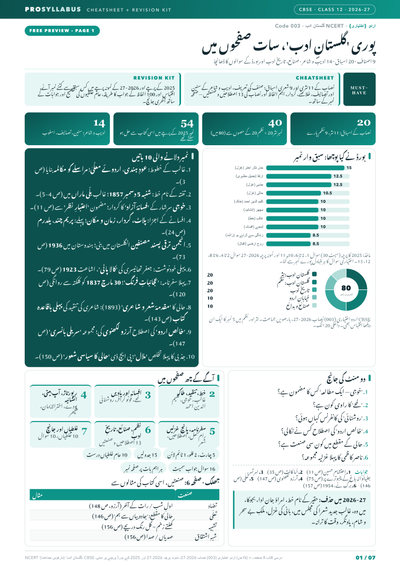
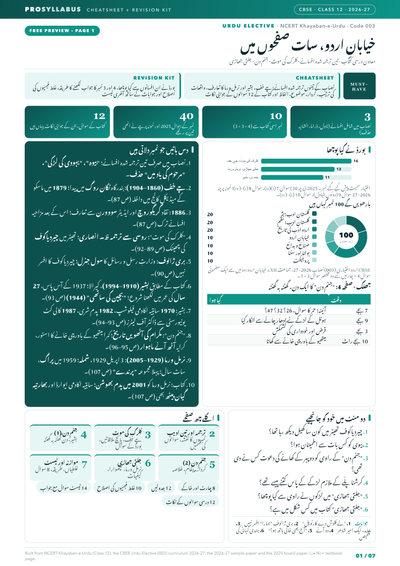 2
2- اردو
- Urdu Elective
- Accountancy
 2
2- Flamingo
- Vistas
 2
2- Political Science
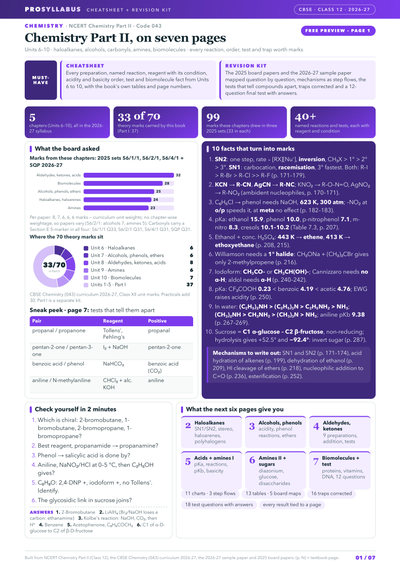 2
2- Chemistry
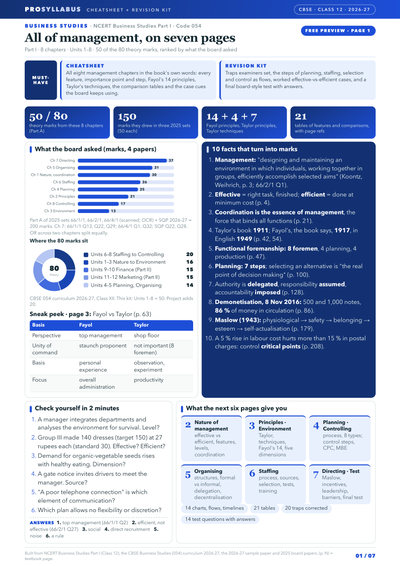
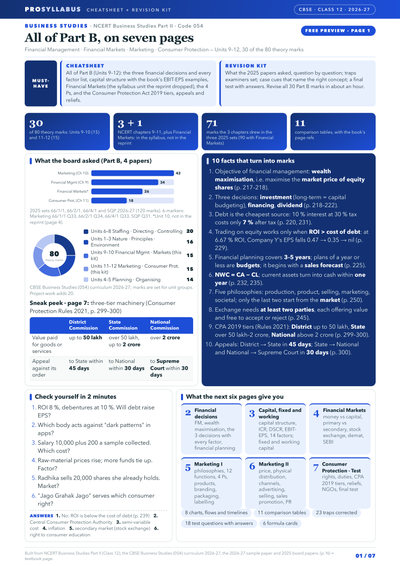 2
2- Business Studies
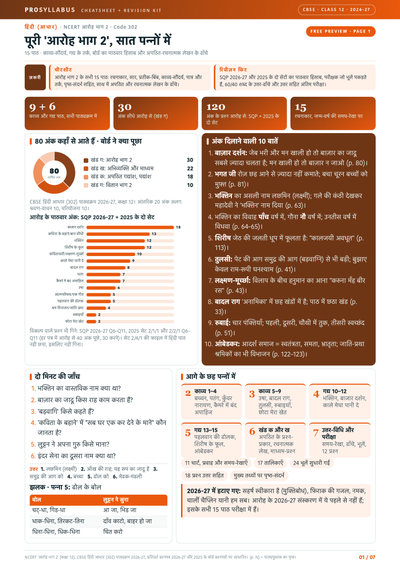
 2
2- हिंदी
- Space weighted by unit marks
- Charts from the book's own data
- Traps corrected
- Space weighted by unit marks
- Charts from the book's own data
- Traps corrected
- Space weighted by unit marks
- Charts from the book's own data
- Traps corrected
- Space weighted by unit marks
- Charts from the book's own data
- Traps corrected
- Space weighted by unit marks
- Charts from the book's own data
- Traps corrected
- Space weighted by unit marks
- Charts from the book's own data
- Traps corrected
- Space weighted by unit marks
- Charts from the book's own data
- Traps corrected
- Space weighted by unit marks
- Charts from the book's own data
- Traps corrected
- Space weighted by unit marks
- Charts from the book's own data
- Traps corrected
- Space weighted by unit marks
- Charts from the book's own data
- Traps corrected
- Space weighted by unit marks
- Charts from the book's own data
- Traps corrected
- Space weighted by unit marks
- Charts from the book's own data
- Traps corrected
- Space weighted by unit marks
- Charts from the book's own data
- Traps corrected
- Space weighted by unit marks
- Charts from the book's own data
- Traps corrected
- Space weighted by unit marks
- Charts from the book's own data
- Traps corrected
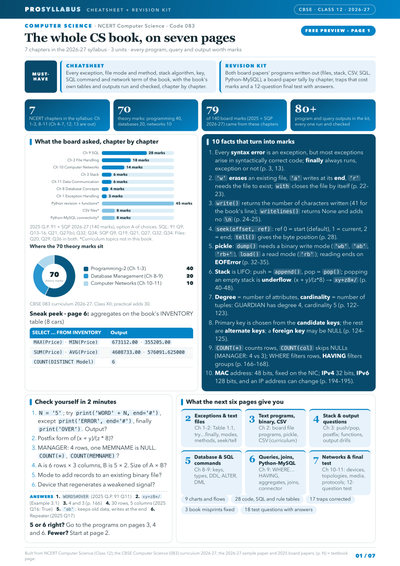
- Space weighted by unit marks
- Charts from the book's own data
- Traps corrected
- Space weighted by unit marks
- Charts from the book's own data
- Traps corrected
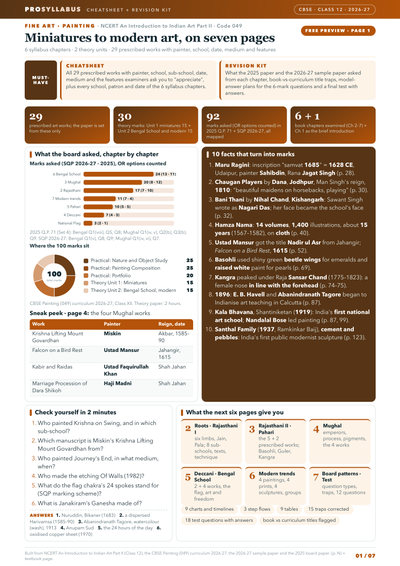
- Space weighted by unit marks
- Charts from the book's own data
- Traps corrected
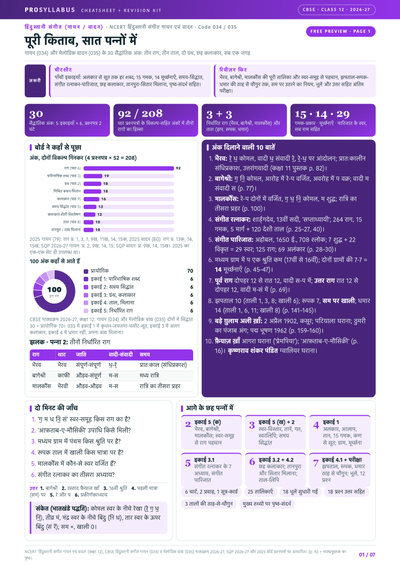
- Space weighted by unit marks
- Charts from the book's own data
- Traps corrected
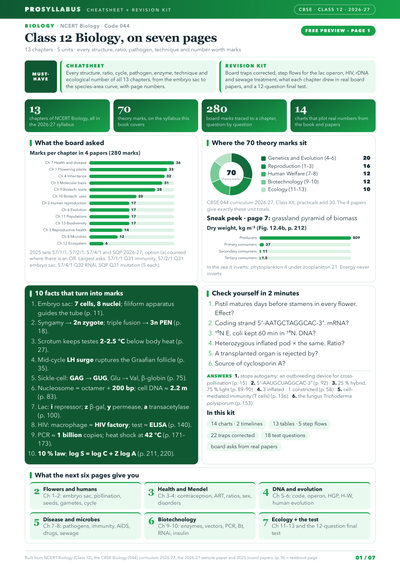
- Space weighted by unit marks
- Charts from the book's own data
- Traps corrected
- Space weighted by unit marks
- Charts from the book's own data
- Traps corrected
- Space weighted by unit marks
- Charts from the book's own data
- Traps corrected
- Space weighted by unit marks
- Charts from the book's own data
- Traps corrected
- Space weighted by unit marks
- Charts from the book's own data
- Traps corrected
- Space weighted by unit marks
- Charts from the book's own data
- Traps corrected
- Space weighted by unit marks
- Charts from the book's own data
- Traps corrected
- Space weighted by unit marks
- Charts from the book's own data
- Traps corrected
- Space weighted by unit marks
- Charts from the book's own data
- Traps corrected
- Space weighted by unit marks
- Charts from the book's own data
- Traps corrected
- Space weighted by unit marks
- Charts from the book's own data
- Traps corrected
- Space weighted by unit marks
- Charts from the book's own data
- Traps corrected
- Space weighted by unit marks
- Charts from the book's own data
- Traps corrected
- Space weighted by unit marks
- Charts from the book's own data
- Traps corrected
- Space weighted by unit marks
- Charts from the book's own data
- Traps corrected
- Space weighted by unit marks
- Charts from the book's own data
- Traps corrected
- Space weighted by unit marks
- Charts from the book's own data
- Traps corrected
- Space weighted by unit marks
- Charts from the book's own data
- Traps corrected
- Space weighted by unit marks
- Charts from the book's own data
- Traps corrected
- Space weighted by unit marks
- Charts from the book's own data
- Traps corrected
- Space weighted by unit marks
- Charts from the book's own data
- Traps corrected
- Space weighted by unit marks
- Charts from the book's own data
- Traps corrected
- Space weighted by unit marks
- Charts from the book's own data
- Traps corrected
- Space weighted by unit marks
- Charts from the book's own data
- Traps corrected
Chapter 9: Geographical Perspective on Selected Issues and Problems Class 12 Geography — summary, notes, extra questions & MCQ quiz
Summary
Environmental pollution results from the release of substances and energy from the waste products of human activities, and is classified by the medium of transport into air, water, land and noise pollution. Water pollution arises mainly from industry, along with agriculture and cultural activities, when effluents, chemicals and wastes deteriorate water quality and exceed its self-purifying capacity; the Yamuna and the Ganga are among the most polluted rivers, and the Namami Gange Programme works to clean the Ganga. Air pollution adds contaminants such as oxides of sulphur and nitrogen, carbon monoxide and lead from burning fossil fuels, mining and industry, causing respiratory and other diseases, smog and acid rain. Noise pollution from traffic, industry, aircraft and loudspeakers is location-specific and declines with distance. Urban waste disposal is a serious problem because growing solid waste from households and industries is often left uncollected, creating health hazards, while industrial waste dumped in rivers pollutes water. Rural-urban migration, driven by push and pull factors, swells city populations and the poor often bypass small cities for mega cities, creating slums such as Dharavi with dilapidated housing, poor sanitation and social exclusion. Land degradation through soil erosion, waterlogging, salinity and alkalinity reduces productive capacity and creates wastelands; watershed management with community participation, as in Jhabua district, helps restore land and livelihoods.
Key terms
Extra questions & answers
Explore interactively
Keyboard: ← → to move · Space to flip
Practice quiz · Geographical Perspective on Selected Issues and Problems
Score on this chapter, climb the leaderboard, and get an AI diagnosis of your mistakes.
Dual AI-verified questions Real exam pattern 1 free quiz every month, then ₹9 per quiz — or a monthly plan
Geographical Perspective on Selected Issues and Problems
Start hereInstant score, answer review and weak-topic diagnosis
Geography revision kits
- Geography
- Space weighted by unit marks
- Charts from the book's own data
- Traps corrected
- Space weighted by unit marks
- Charts from the book's own data
- Traps corrected
- Space weighted by unit marks
- Charts from the book's own data
- Traps corrected
Data & insights
- 1The EnemyEnglish
- 2Electric Charges and FieldsPhysics
- 3Geographical Perspective on Selected Issues and ProblemsGeography