CBSE Class 12 — Notes, Chapters & Practice Quizzes
Master every Class 12 chapter — the base your board marks and your NEET / JEE / CUET prep both stand on.
10 questions · instant score · weak-chapter diagnosis
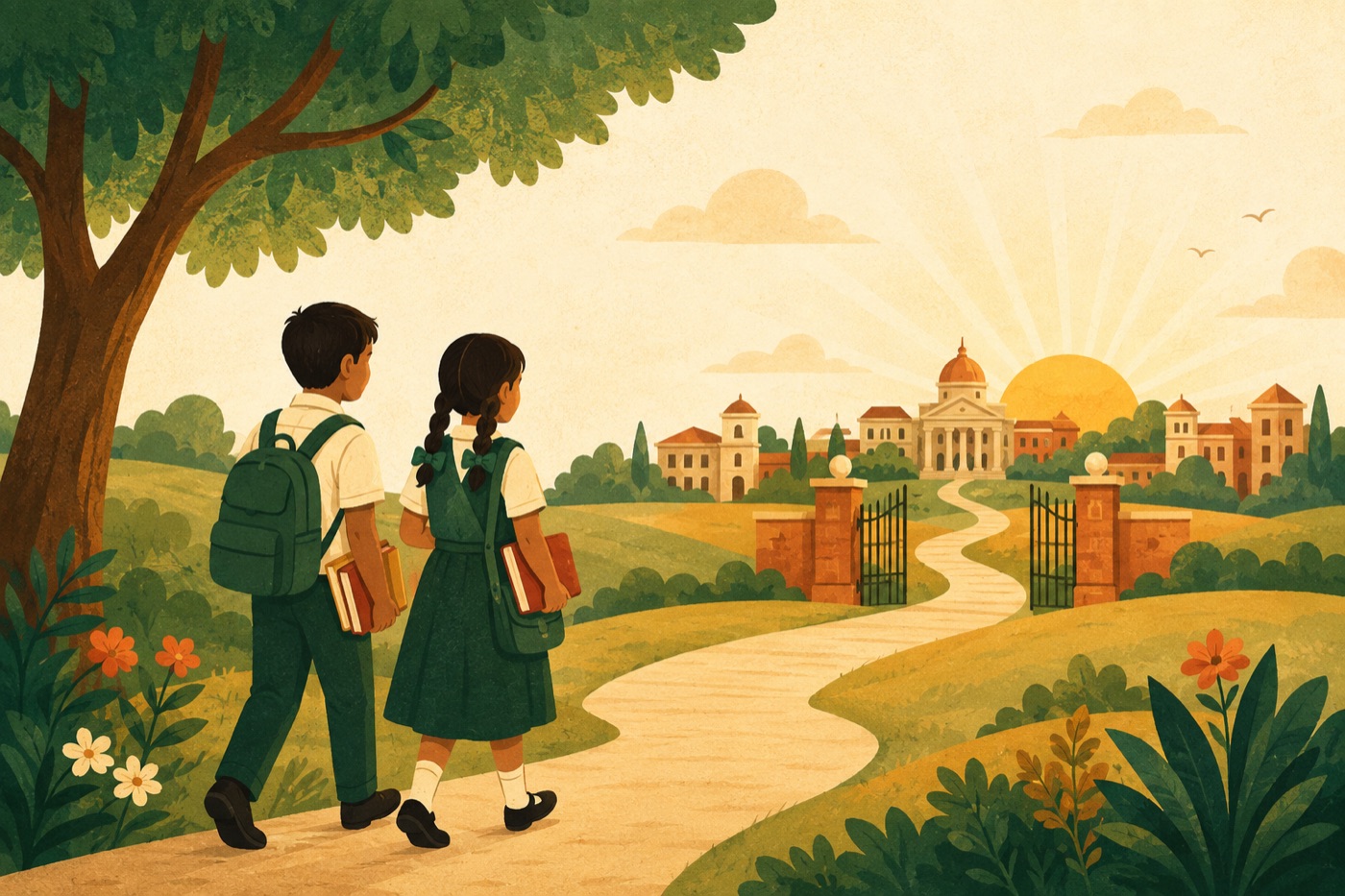
Students preparing for CBSE Class 12 Board Examination
View all
Chapter 8: Social MovementsClass 12 Sociology — summary, notes, extra questions & MCQ quiz
Summary
Many rights we take for granted — the eight-hour day, the weekend, equal pay, social security, the right to vote — were won through social movements, which have shaped the modern world and continue to do so. A social movement requires sustained collective action over time, marked by organisation, leadership, shared objectives and ideology, and a general orientation towards bringing about or resisting change; spontaneous, disorganised protest is not a social movement. Movements often provoke counter-movements that defend the status quo. Social movements differ from social change in general, which is continuous and unplanned, whereas movements aim at specific goals. The chapter distinguishes types of movements — redemptive (changing personal consciousness), reformist (gradual change) and revolutionary (radical transformation, often by capturing state power) — and contrasts 'old' social movements (class-based, working through parties and trade unions) with 'new' social movements concerned with quality-of-life and identity issues. It surveys major Indian movements: ecological movements (the Chipko Movement, which interlinked livelihood, ecology and political representation); class-based peasant movements (Bardoli, Champaran, Tebhaga, Telangana) and new farmers' movements; workers' movements and trade unions; caste-based movements (the Dalit movement as a struggle for dignity, and Backward Class movements); tribal movements (Jharkhand led by Birsa Munda, and the North-East); and the women's movement, from 19th-century reform and early organisations to its renewal in the mid-1970s around issues like violence against women, land rights and dowry.
Key terms
Extra questions & answers
Explore interactively
Keyboard: ← → to move · Space to flip