CBSE Class 12 — Notes, Chapters & Practice Quizzes
Master every Class 12 chapter — the base your board marks and your NEET / JEE / CUET prep both stand on.
10 questions · instant score · weak-chapter diagnosis
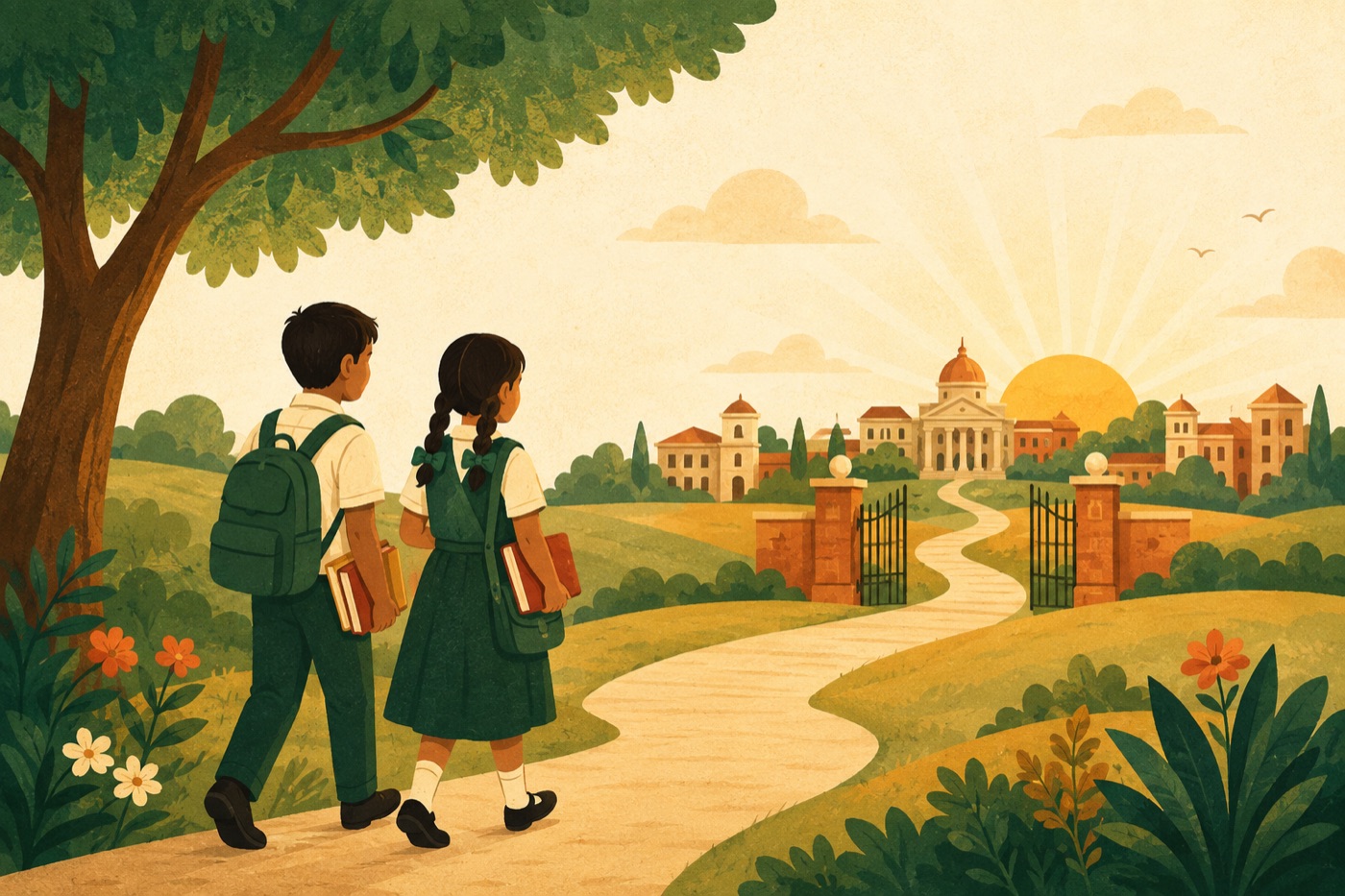
Students preparing for CBSE Class 12 Board Examination
View all

Chapter 4: Change and Development in Rural SocietyClass 12 Sociology — summary, notes, extra questions & MCQ quiz
Summary
India is primarily a rural society, with the majority living in villages and depending on agriculture, which is not merely a livelihood but a way of life reflected in harvest festivals like Pongal, Bihu, Baisakhi and Ugadi. Agricultural land is the most important resource and form of property, but it is very unequally distributed; access to land shapes the rural class structure of landowners, tenants and landless labourers, who are often underemployed and paid below the minimum wage. Caste and class roughly overlap: the major landowning groups are usually the 'dominant castes', while Dalits and adivasis form most of the marginal farmers and agricultural labourers. Under colonialism the zamindari and raiyatwari systems shaped landholding. After Independence land reforms — abolition of zamindari (the most effective), tenancy reforms, and land ceiling acts (largely ineffective due to loopholes and benami transfers) — sought to make the structure more equal. The Green Revolution of the 1960s and 70s raised productivity and made India self-sufficient in food grains, but mainly benefited medium and large farmers in irrigated regions, displaced tenants and service castes, and increased inequalities and a process of 'differentiation'. Post-Independence changes include a shift from patronage to exploitation in labour relations, the circulation of migrant 'footloose' labour, the feminisation of agricultural labour, and the effects of globalisation and liberalisation — contract farming, dependence on costly inputs, and agrarian distress including farmer suicides.
Key terms
Extra questions & answers
Explore interactively
Keyboard: ← → to move · Space to flip
Practice quiz · Change and Development in Rural Society
Score on this chapter, climb the leaderboard, and get an AI diagnosis of your mistakes.
Dual AI-verified questions Real exam pattern 1 free quiz every month, then ₹9 per quiz — or a monthly plan
Change and Development in Rural Society
Start hereInstant score, answer review and weak-topic diagnosis