CBSE Class 12 — Notes, Chapters & Practice Quizzes
Master every Class 12 chapter — the base your board marks and your NEET / JEE / CUET prep both stand on.
10 questions · instant score · weak-chapter diagnosis
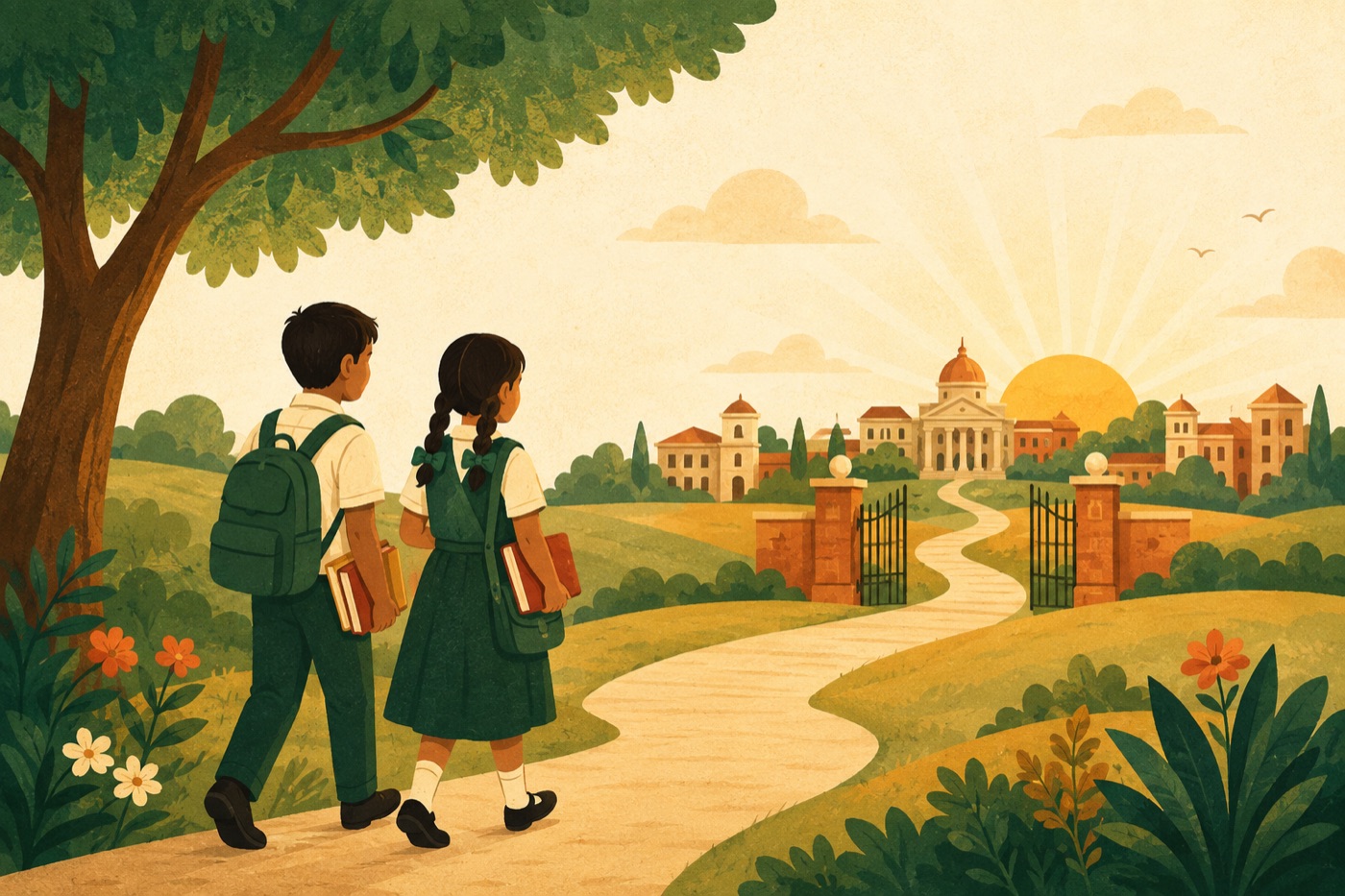
Students preparing for CBSE Class 12 Board Examination
View all

Chapter 5: Patterns of Social Inequality and ExclusionClass 12 Sociology — summary, notes, extra questions & MCQ quiz
Summary
Social inequality and exclusion are so much a part of everyday Indian life that they come to seem natural or even deserved. Sociologically, however, social inequality is not about individual differences but about structured, group-based inequalities produced by society and reproduced across generations through social institutions. Social resources or 'capital' come in three forms — economic, cultural and social — whose unequal distribution underlies stratification. Prejudice, stereotypes and discrimination convert difference into disadvantage, and social exclusion systematically denies certain groups access to opportunities and resources. The chapter studies several axes of exclusion. The caste system, an extreme form of inequality, produced untouchability, against which reformers and the state have struggled; the Constitution abolished untouchability and introduced reservation as protective discrimination. Other Backward Classes face a different, secular form of disadvantage. Adivasi (tribal) struggles centre on land, forests and identity. Women face patriarchy and gender inequality, addressed by a long women's movement and laws. The chapter also examines the struggles of people with disabilities, showing how society — not just impairment — disables people by failing to accommodate their needs. Throughout, it stresses that these forms of inequality are social and therefore can be changed.
Key terms
Extra questions & answers
Explore interactively
Keyboard: ← → to move · Space to flip