CBSE Class 12 — Notes, Chapters & Practice Quizzes
Master every Class 12 chapter — the base your board marks and your NEET / JEE / CUET prep both stand on.
10 questions · instant score · weak-chapter diagnosis
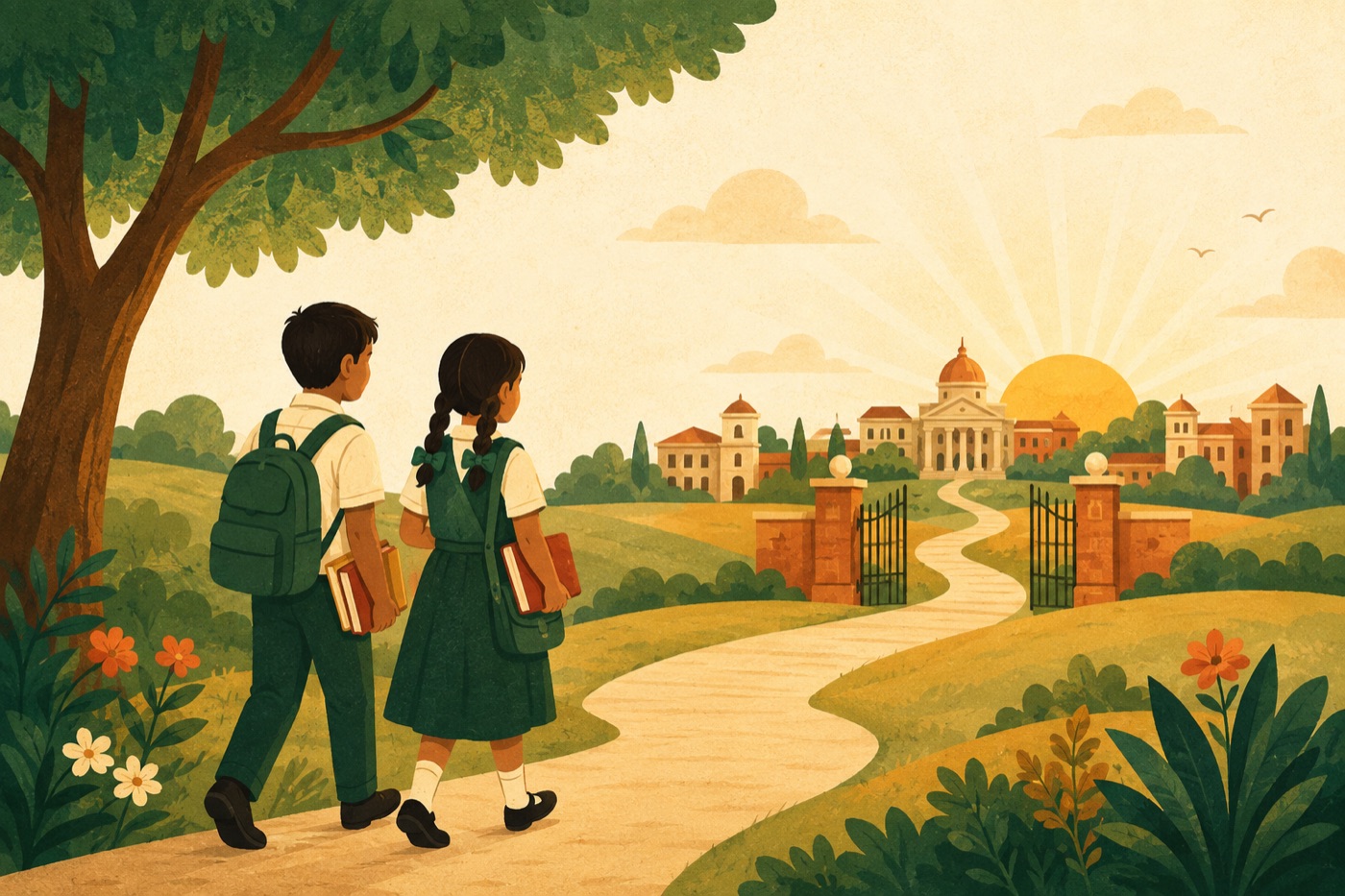
Students preparing for CBSE Class 12 Board Examination
View all

Chapter 1: Through the Eyes of Travellers — Perceptions of Society (c. tenth to seventeenth century)Class 12 History — summary, notes, extra questions & MCQ quiz
Summary
Travellers who came to the subcontinent recorded what they found unusual, giving historians a valuable outside view of medieval society. This chapter focuses on three men. Al-Biruni, an eleventh-century scholar from Uzbekistan, came in the wake of Mahmud of Ghazni; deeply learned in Sanskrit, philosophy and science, he wrote the Kitab-ul-Hind, comparing Indian ideas with Greek and Islamic ones and describing the caste system, which he criticised while also trying to explain through Brahmanical texts. Ibn Battuta, a fourteenth-century traveller from Morocco, reached India during the reign of Muhammad bin Tughlaq and served as a qazi in Delhi; his Rihla records cities, markets, the postal system, the coconut and paan, and the practice of sati, conveying his fascination with the unfamiliar. Francois Bernier, a seventeenth-century French doctor at the Mughal court, wrote comparatively, contrasting India with Europe and often judging it inferior; his influential idea that there was no private property in land in the East shaped later European thinking, even though it oversimplified reality. The chapter shows how each traveller's background, purpose and audience shaped what he noticed and how he interpreted it — caste, towns, agriculture, artisans and the position of women — and why such accounts must be read critically rather than as neutral descriptions.
Key terms
Extra questions & answers
Explore interactively
Keyboard: ← → to move · Space to flip
Practice quiz · Through the Eyes of Travellers — Perceptions of Society (c. tenth to seventeenth century)
Score on this chapter, climb the leaderboard, and get an AI diagnosis of your mistakes.
Dual AI-verified questions Real exam pattern 1 free quiz every month, then ₹9 per quiz — or a monthly plan
Through the Eyes of Travellers — Perceptions of Society (c. tenth to seventeenth century)
Start hereInstant score, answer review and weak-topic diagnosis