A Roadside Stand
Class 12 English · Flamingo – Poems · Chapter 5
Visual story
Watch as storyTap a card to open it full-screen — swipe through like a story.
163 members in the CBSE community
View all









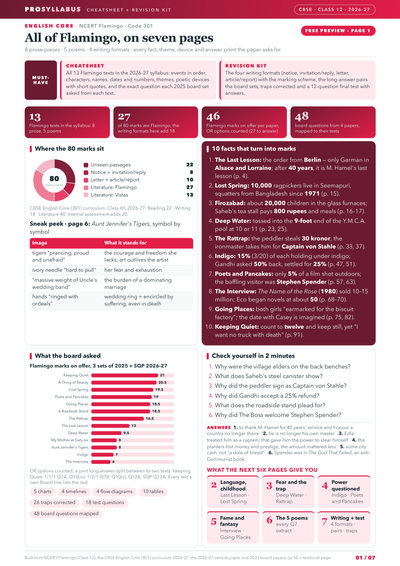
CBSE Class 12 · English Core
All 13 Flamingo texts, with what 2025 asked- Marks booster + cheatsheet: key concepts in 2 lines each, common traps
- 5 poems: Q7 is always one of these
- 4 writing formats, 18 marks
- Common traps, corrected
- 8 prose pieces: events, characters, themes
- Poetic devices with short quotes
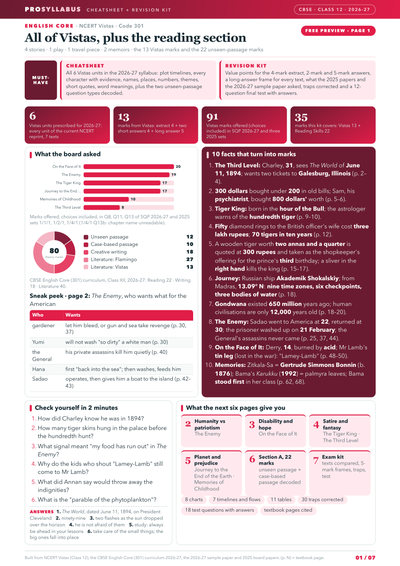
CBSE Class 12 · English Core
13 Vistas marks + 22 unseen-passage marks- Marks booster + cheatsheet: key concepts in 2 lines each, common traps
- 12 marks: unseen passage Q1, decoded
- 10 marks: case-based passage Q2, decoded
- Common traps that cost marks, listed
- Every character, with evidence and quotes
- 7 texts: plot timelines for each
The story in short
Written by Robert Frost, this poem voices sympathy for the rural poor and criticises the neglect and false promises that worsen their plight. By the edge of a busy highway, poor country people have set up a little roadside stand, hoping to sell their produce and earn some city money to brighten their hard, deprived lives. But the city dwellers who speed past in their cars hardly notice the stand, or complain that its crude signs and rough goods spoil the beauty of the landscape; some stop only to ask for directions, to turn around, or to get gas, never to buy. The poet feels the deep pain in the wistful, pleading look of the stand. He then attacks those who, in the name of helping the rural poor, actually exploit them — the 'greedy good-doers' and 'beneficent beasts of prey' who plan to move these people into theatre- and store-equipped villages near towns, supposedly for their benefit, but in fact to control them and rob them of their land and peace, lulling them into dependence and robbing them of the ability to think for themselves. The poet is moved to a childish longing to relieve their suffering and even wonders if it would be a mercy to put them out of their misery all at once. Yet he checks himself, realising that he too would resent such interference. The poem is a powerful protest against social and economic inequality and the hollow promises made to the poor.