CBSE Class 12 — Notes, Chapters & Practice Quizzes
Master every Class 12 chapter — the base your board marks and your NEET / JEE / CUET prep both stand on.
10 questions · instant score · weak-chapter diagnosis
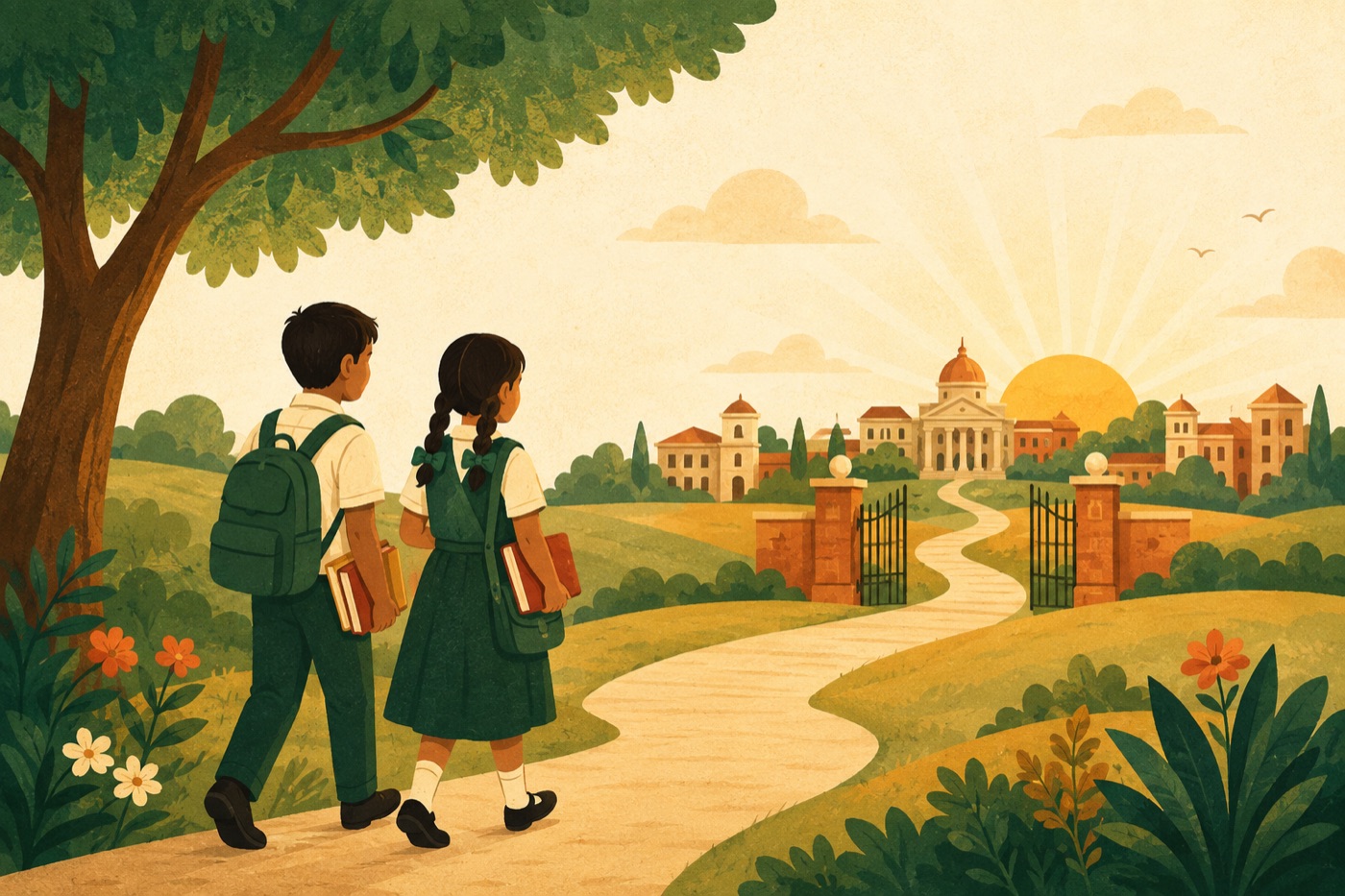
Students preparing for CBSE Class 12 Board Examination
View all
Chapter 6: Memories of ChildhoodClass 12 English — summary, notes, extra questions & MCQ quiz
Visual story
Watch as storyTap a card to open it full-screen — swipe through like a story.
The story in short
This unit presents two autobiographical episodes from the lives of women from marginalised communities, who look back on their childhood and their painful encounters with the mainstream culture that oppressed them. The first account, 'The Cutting of My Long Hair', is by Zitkala-Sa (Gertrude Simmons Bonnin), a Native American woman, who recalls her bitter first day at the Carlisle Indian boarding school. She describes the cold, regimented atmosphere, the humiliating 'eating by formula', and above all the trauma of having her long hair forcibly shingled — for among her people, shingled hair was worn only by cowards and mourners, and only captured, unskilled warriors had their hair cut by the enemy. She resists fiercely, hiding and struggling, but is dragged out, tied to a chair and her braids cut off, leaving her feeling like one of many little animals driven by a herder. The second account, 'We Too are Human Beings', is by Bama, a Tamil Dalit writer, who recalls how, as a schoolgirl, she first became aware of untouchability. Dawdling home one day, she watched an elder of her community carry a packet of snacks by its string, without touching it, to hand it to an upper-caste landlord. She found it comic until her elder brother explained that the man did so because their touch was considered polluting. Filled with anger and humiliation at this injustice, Bama is advised by her brother that the way to overcome such indignity is to study hard and excel — and, inspired, she works hard and stands first in her class. Both accounts show how the seeds of rebellion against oppression are sown early in life.
Characters & key ideas
Extra questions & answers (board-style)
Explore interactively
Keyboard: ← → to move · Space to flip
Practice quiz · Memories of Childhood
Score on this chapter, climb the leaderboard, and get an AI diagnosis of your mistakes.
Dual AI-verified questions Real exam pattern 1 free quiz every month, then ₹9 per quiz — or a monthly plan
Memories of Childhood
Start hereInstant score, answer review and weak-topic diagnosis