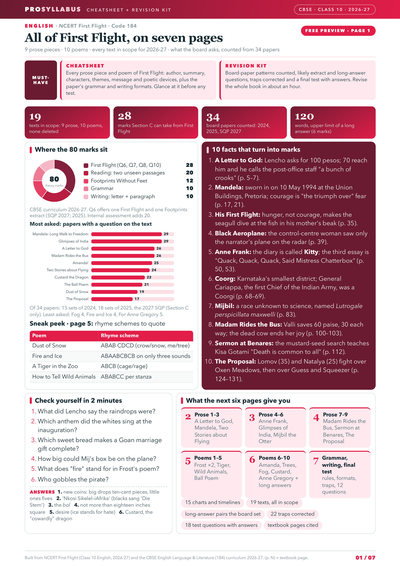
This extract is taken from the famous diary of Anne Frank, a young Jewish girl who hid with her family from the Nazis during the Second World War. Anne introduces her diary, which she names “Kitty,” as a true friend in whom she can confide everything, because she feels lonely despite being surrounded by family and friends. She reflects on why she keeps a diary, on the strangeness of a thirteen-year-old recording her thoughts, and on her family’s background. She then recalls her school days, especially her maths teacher Mr Keesing, who punished her talkativeness by making her write essays on the subject “A Chatterbox.” With wit and humour, Anne wrote convincing arguments defending talking, and a final comic essay in verse, which so amused Mr Keesing that he began allowing her to talk. The extract reveals Anne’s honesty, intelligence, sense of humour and loneliness, and gives a moving glimpse into the life of a sensitive girl in tragic times.
The story in 6 beats
1Anne says she has loving parents and many people around her, yet she feels lonely and wants a true friend.
2She decides to write in her diary, names it Kitty, and explains why she trusts it with her thoughts.
3Anne tells about her family, her birth in Frankfurt, and how her family goes to Holland after Hitler rises.
4She writes about her grandmother's death, life with her parents and sister, and starting at the Jewish Secondary School.
5Anne describes how she talks a lot in class, and Mr Keesing gives her extra homework as punishment.
6She writes clever essays on chatter, then a funny poem about a duck family, and Mr Keesing stops punishing her.
Anne Frank and her diaryLoneliness and friendshipThe Holocaust settingMr Keesing and the essaysHumour and honesty in Anne’s writing
Characters & key ideas
AAnne FrankA young Jewish girl whose wartime diary became world-famous.
KKittyThe name Anne gives to her diary, treating it as a friend.
MMr KeesingAnne’s strict maths teacher who punished her talkativeness.
AA ChatterboxThe essay topic Mr Keesing set as punishment for Anne.
LLonelinessAnne’s deep sense of isolation despite having company.
DDiaryAnne’s confidant, recording her thoughts during hiding.
Word meanings · शब्दार्थ
confide
tell personal secrets trustfully
outpourings
strong free expression of feelings
brooding
thinking sadly for long
emigrated
went to live in another country
dictate
say words for others to write
incorrigible
impossible to सुधार or control
assignment
task given as schoolwork
quack
duck's loud cry
swan
a large white water bird
stifled
suppressed; stopped from being expressed
Extra questions & answers (board-style)
Page 49 — Activity 1: Types of personal records
Page 49 — Activity 2: Identify the type of record
Page 51 — Oral Comprehension Check 1
Page 51 — Oral Comprehension Check 2
Pages 52–54 — Oral Comprehension Check 3
Page 54 — Thinking about the Text
Page 55 — Thinking about Language I: Compound words
Pages 55–56 — Thinking about Language II: Phrasal verbs
Pages 56–57 — Thinking about Language III: Idioms
Page 57 — Thinking about Language IV: Dictionary use
Page 58 — Expressions using "heart"
Page 58 — Thinking about Language V: Contracted forms
Pages 58–59 — Speaking: Convert the extract into natural contracted speech
Page 59 — Writing: Keep a diary for one week
Pages 59–60 — Listening: The Great Fire of London
Page 61 — Amanda!: Before You Read
Page 62 — Thinking about the Poem: Amanda!
Try one from this chapter
What name does Anne give to her diary?
Flashcards & interactive practice
Practice quiz · From the Diary of Anne Frank
Score on this chapter, climb the leaderboard, and get an AI diagnosis of your mistakes.
Double-checked questions Real exam pattern 1 free quiz every month, then ₹9 per quiz
#1
From the Diary of Anne Frank
Start here
English 10 Qs · ~10 min
Instant score, answer review and weak-topic diagnosis
Data & insights
Trending in Class 10 this weekThe chapters students are reading most right now