CBSE Class 11 — Notes, Chapters & Practice Quizzes
Master every Class 11 chapter — the base your board marks and your NEET / JEE / CUET prep both stand on.
10 questions · instant score · weak-chapter diagnosis
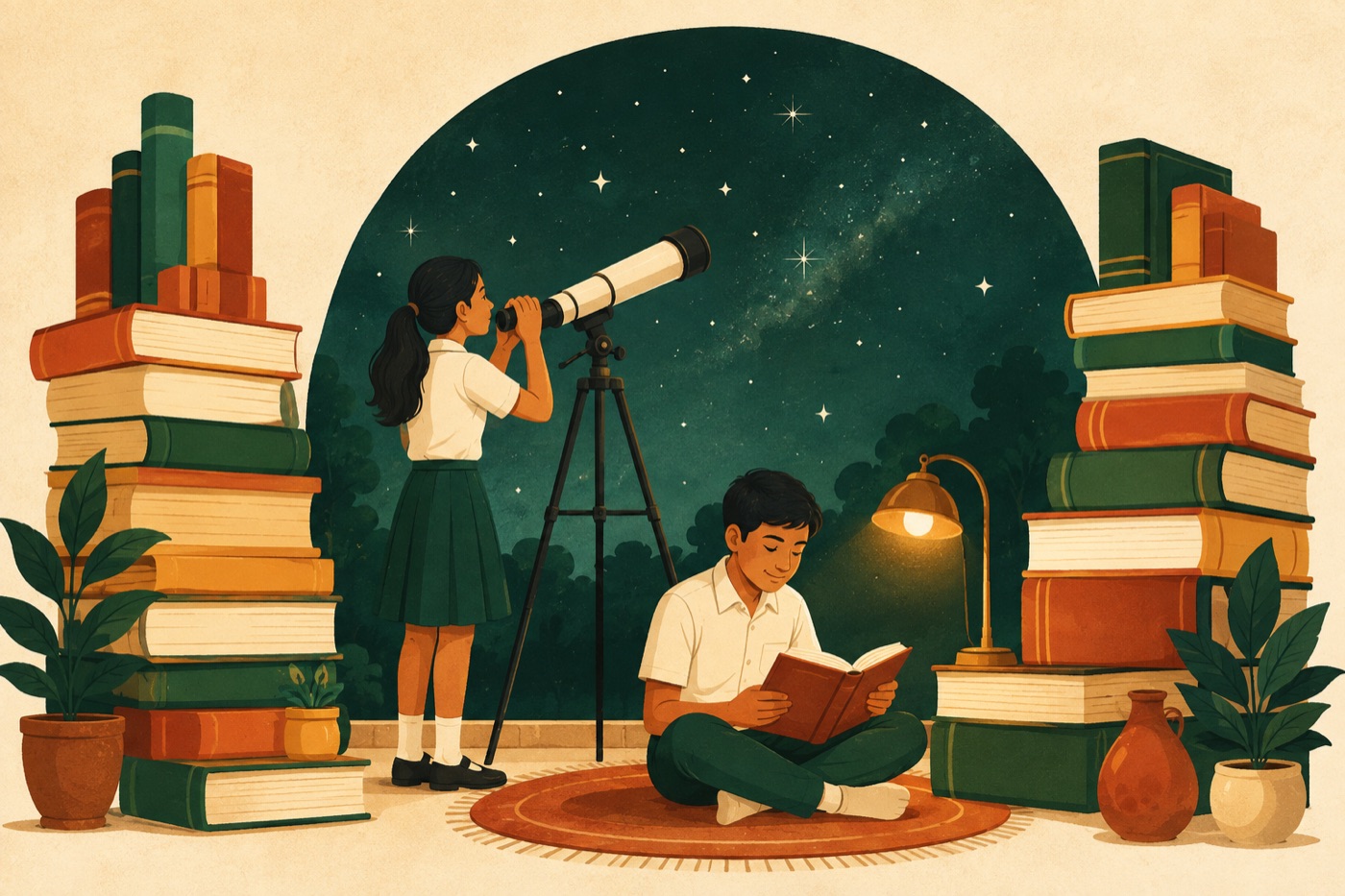
Students preparing for CBSE Class 11 Annual Assessment
View all
Chapter 5: Changing Cultural TraditionsClass 11 History — summary, notes, extra questions & MCQ quiz
Summary
This theme examines the cultural changes in Europe from the fourteenth to the seventeenth century that the Swiss historian Jacob Burckhardt called the "Renaissance" (rebirth). As towns such as Florence, Venice and Rome grew into centres of art and learning, a new "humanist" culture stressed that individuals could shape their own lives by reason and skill, rather than have their thinking controlled by the Church. Italian city-states — Florence and Venice were republics — revived through Mediterranean and Silk-Route trade, and universities at Padua and Bologna taught law and then the humanities (grammar, rhetoric, poetry, history, moral philosophy). Scholars rediscovered Greek and Roman texts, often through Arabic translations preserved by writers like Ibn Sina, al-Razi and Ibn Rushd. Artists such as Donatello, Leonardo da Vinci and Michelangelo achieved realism using anatomy, geometry and perspective, while architects revived the classical style. Gutenberg's printing press (Bible, 1455) spread ideas rapidly. Religion became a matter of individual choice: Martin Luther's Protestant Reformation (1517) challenged the Catholic Church, and the Copernican Revolution and the work of Kepler, Galileo and Newton began the Scientific Revolution. Recent historians question whether the change was as sharp a "rebirth" as Burckhardt claimed.
Key terms
Extra questions & answers
Explore interactively
Keyboard: ← → to move · Space to flip
Practice quiz · Changing Cultural Traditions
Score on this chapter, climb the leaderboard, and get an AI diagnosis of your mistakes.
Dual AI-verified questions Real exam pattern 1 free quiz every month, then ₹9 per quiz — or a monthly plan
Changing Cultural Traditions
Start hereInstant score, answer review and weak-topic diagnosis