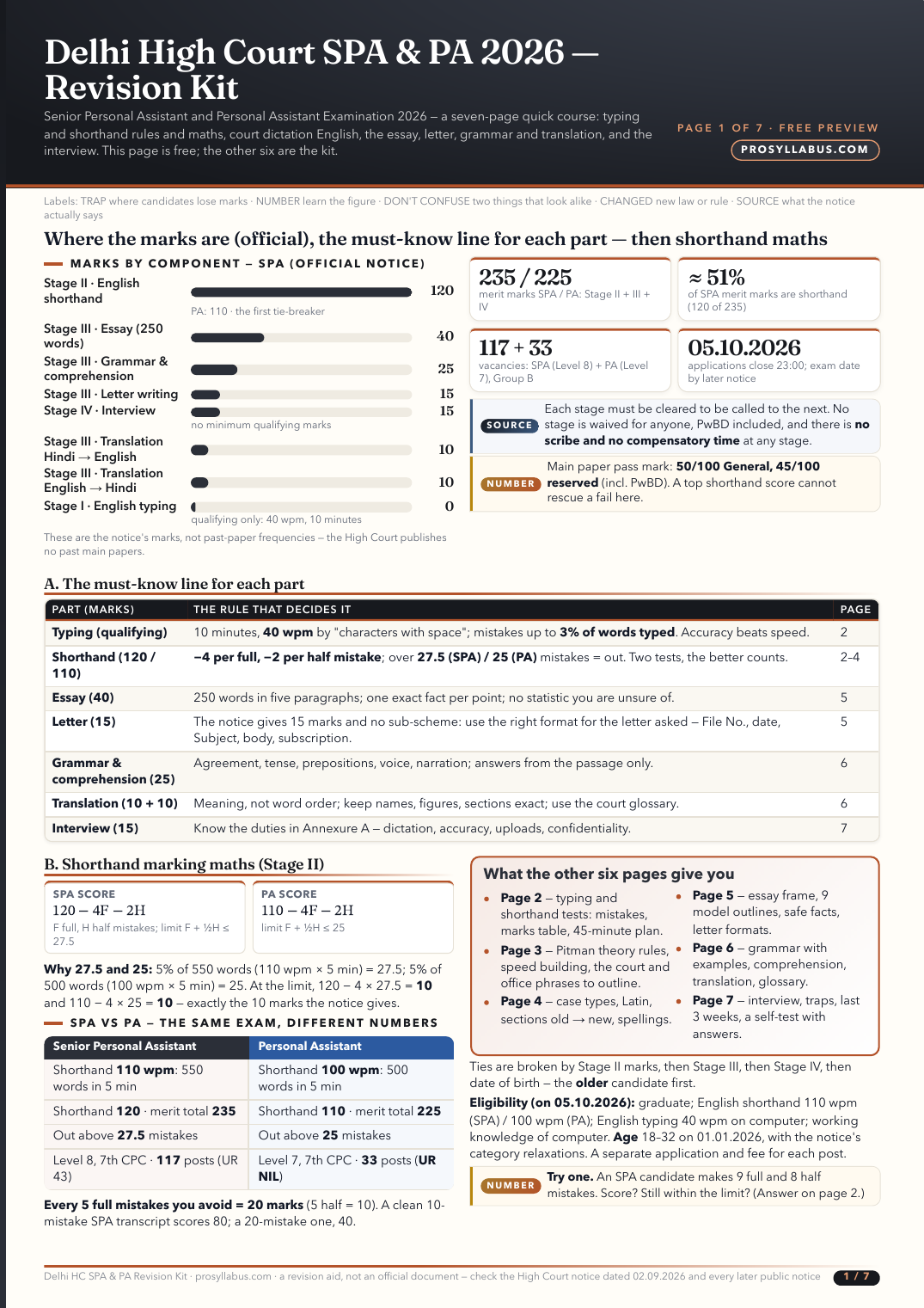
Checked 25 September 2026. From the University of Kashmir Admission Policy 2026 (Tables 13 and 14 and the notes to them) and Notification No. 14 of 2026. Certificates follow J&K SRO 126 of 1994 and later SROs, as the university states.
KUET seats are divided in two stages. First, who may compete: Open Merit and the reserved categories are for candidates of the Kashmir Division, and everyone else competes for a small supernumerary quota called OSJ. Second, how the intake splits: half Open Merit, half reserved categories as the university defines them, plus supernumerary seats on top. This guide sets out both, in the university's own terms — which are not always the terms other pages use.
 Great Indian Festival dealsSale prices live on laptops, tablets, phonesSee on Amazon
 Laptop dealsStudent laptops — see today's pricesSee on Amazon
 Tablet dealsFor notes, PDFs and online classesSee on Amazon
 Bluetooth speakersPocket-size to party-sizeSee on Amazon
 Books for Delhi High CourtGuides and reference booksSee on AmazonDelhi High Court solved papersPrevious years, with answersSee on Amazon
 Bags and backpacksRoom for books and a laptopSee on AmazonLucent's General KnowledgeThe standard GK referenceSee on Amazon
As an Amazon Associate, ProSyllabus earns from qualifying purchases. Prices and availability are set by the seller.
Where other pages get this wrong
At the University of Kashmir, Open Merit and reserved seats are for Kashmir-Division residents or graduates; candidates from elsewhere compete for OSJ seats — 2% supernumerary, at least one per programme.
Commonly published instead: "J&K domicile candidates are allotted seats first; non-domicile candidates may be considered if seats remain vacant."
Admission Policy 2026: "Only candidates residing within the territorial jurisdiction of Kashmir Division and/or those who have passed their qualifying examination through Universities/Boards of Kashmir are eligible to seek admission under open merit as well as reserved categories". Others — "Persons from outside the Kashmir Division" — apply under OSJ, a separate supernumerary quota, not for leftover seats.
University of Kashmir Admission Policy 2026, Tables 13 and 14.
The categories within the intake
| Category | Share | Certificate from |
|---|---|---|
| Open Merit (OM) | 50% | — |
| Scheduled Caste (SC) | 8% | Tehsildar |
| ST-1: Bakerwal, Balti, Beda, Bot/Boto, Brokpa/Drokpa/Dard/Shin, Changpa, Garra, Gaddi, Gujjar, Mon, Purigpa, Sippi | 10% | Tehsildar |
| ST-2: Gadda Brahmin, Koli, Paddari Tribe, Pahari ethnic group | 10% | Tehsildar |
| Residents of Backward Areas (RBA) | 10% | Tehsildar |
| Residents of areas adjoining the Actual Control / International Border (ALC) | 4% | Tehsildar |
| Other Backward Classes (OBC) | 8% | Tehsildar |
| Children of Defence Personnel (Army & BSF) · of Para-military & UT Police · Sports | 1% each, horizontal, clubbed into at least one seat | CO / Zila Sainik Welfare Officer · DIG · Director Physical Education, KU |
Admission Policy 2026, Table 13. Certificates must follow SRO 126 of 28 June 1994 and subsequent SROs.
Admission Policy 2026, Table 13. The 1% horizontal quotas sit across these.
Three things surprise candidates from elsewhere. There is no separate International Border (IB) category — it is folded into ALC. Pahari appears as "Pahari ethnic group" under ST-2. And there is no OSC or PSP category at all. The selection lists use the codes OM, SC, ST-1, ST-2, RBA, ALC, OBC, CDP, SPORTS, PHC (differently-abled), EWS, OSJ and SN (children of university employees).
Supernumerary seats, on top of the intake
| Category | Share of approved intake |
|---|---|
| EWS | 10% |
| Differently-abled (40% or more; "PHC" in the lists) | 4% |
| OSJ — candidates from outside the Kashmir Division | 2%, at least 1 seat per programme |
| Self-finance | 30% (on KUET or academic merit) |
| NRI / NRI-sponsored (families originally of J&K) | 10% (qualifying-exam merit) |
| Foreign nationals | 5% (may be raised by the Vice-Chancellor) |
| Children of permanent KU employees (SN) | 1 seat per programme, irrespective of the number of campuses or colleges |
Admission Policy 2026, Table 14. EWS, differently-abled, OSJ and NRI/foreign candidates are not shifted to Open Merit even with a higher score.
What EWS and OSJ seats closed at in 2026
| Programme (Selection List I) | EWS | OSJ | Open Merit |
|---|---|---|---|
| 2-Year Zoology | 21.25 | 41.25 | 40.25 |
| 2-Year Sociology | 31.25 | 24.25 | 35.25 |
| 2-Year Anthropology | 26.75 | 32.5 | 41.25 |
| 2-Year Political Science | 8.25 | 24 | 20 |
| LL.B. (Main Campus) | 15 | 46.75 | 30.75 |
| LL.M. | 25 | 38.25 | 40 |
| 2-Year English | — | 25.75 | 32.25 |
| 2-Year M.Com | — | 6.5 | 19 |
Our reading of the programme-wise Selection List I PDFs issued with Selection Notification No. 1 (13-08-2026) — e.g. EntDownloads 4271 for 2-Year Zoology and 4318 for 2-Year English. "Closing" is the lowest points selected in that category; points out of 60. "—" means no candidate was selected in that category in List I.
Because EWS and OSJ are supernumerary and small, their closing points depend on who happened to apply. The OSJ seat in LL.B. went to a candidate with 46.75 — well above the Open Merit closing of 30.75 — while the OSJ seat in M.Com closed at 6.5. For an outside candidate, the honest reading is that the OSJ seat is a contest among the handful of outsiders who applied for that programme, not against the Kashmir-Division field.
A worked example: M.A. English, Main Campus
The Main-Campus 2-year English intake is 48. On the university's percentages that is 24 Open Merit seats, about 4.8 each for ST-1, ST-2 and RBA, 3.8 each for SC and OBC and 1.9 for ALC, with fractions clubbed by the university; on top come about 4.8 EWS seats, 1.9 for the differently-abled, one or more OSJ seats, 14.4 self-finance, 4.8 NRI and 2.4 for foreign nationals, and one for a KU employee's ward. In 2026 Selection List I for 2-year English (EntDownloads 4318) selected 50 candidates, 35 of them in the Open Merit section — the extra OM selections come from reserved candidates who scored into Open Merit and from reserved seats that went unfilled.
If you are from outside the Kashmir Division
A candidate from Jammu, from another state or from abroad is not barred: they apply under OSJ, upload domicile proof, and compete for 2% supernumerary seats — at least one in every programme. The exception is a programme not offered by the universities of the Jammu Division: for those, the policy says "candidates residing in any part of the J&K" — Jammu Division residents included — may apply under Open Merit and the reserved categories. Candidates from outside J&K stay in OSJ. OSJ candidates need the Open Merit percentage in their degree, not a reserved-category minimum. In practice an OSJ seat is often one candidate's seat, which is why the OSJ closing points in the 2026 lists swing so widely — 46.75 in LL.B., 6.5 in M.Com.
Certificates are where reserved applications fail. Every category from SC to OBC needs a Tehsildar-issued certificate in the form SRO 126 of 1994 and later SROs require; defence and para-military children need their commanding officer's, Zila Sainik Welfare Officer's or DIG's certificate; sports candidates the Director of Physical Education's. Get the certificate in the right format before the application closes, because the category you choose is final.
Rules that decide where a reserved candidate lands
| Rule | Detail |
|---|---|
| One category only | Chosen at application and final |
| Merit first | A reserved candidate who scores into Open Merit is placed there first (except EWS, differently-abled, OSJ, NRI and foreign candidates) |
| Unfilled reserved seats | Unfilled Table 13 reserved seats (and leftover fractions) go to Open Merit; supernumerary seats (EWS, DA, OSJ, SN, self-finance, NRI, foreign) do not |
| Horizontal quotas | CDP-1, CDP-2 and Sports are clubbed into one seat (minimum) by inter-se merit; if one of them makes Open Merit, no further seat goes to the group |
| Second PG degree | Allowed. A reserved or supernumerary benefit is granted "only once … for admission to any PG and UG Programmes separately", and not again "in the identical programme/course" (the SN category has a limited exception) |
| Kashmiri-migrant PG quota | Not in the 2026 policy |
Admission Policy 2026, seat-matrix and reservation notes.
Practise it, don't just read it
For an OSJ candidate the contest is usually for one seat: in 2026 the OSJ seat in LL.B. needed 46.75 out of 60, far above the Open Merit closing, while in M.Com it went at 6.5. You cannot know who else will apply, so the only safe target is the Open Merit closing of your programme.
The ProSyllabus KUET library has topic quizzes for English, Commerce, Economics, History and Botany — the first one is free.
What is the reservation in KUET?
Open Merit 50%; SC 8%, ST-1 10%, ST-2 10%, RBA 10%, ALC 4%, OBC 8%; plus 1% each for children of defence and para-military personnel and sports, clubbed into at least one seat.
Can students from outside J&K apply for KUET?
Yes, under the OSJ quota — 2% supernumerary, at least one seat per programme — with domicile proof and the Open Merit percentage.
Can Jammu students get Open Merit seats at the University of Kashmir?
Only for programmes not offered by the universities of the Jammu Division; otherwise they apply under OSJ.
Is there EWS reservation in KUET?
Yes, 10%, supernumerary (on top of the intake).
What is RBA and ALC in KUET?
Residents of Backward Areas (10%) and residents of areas adjoining the Actual Control/International Border (4%), both certified by the Tehsildar.
Is Pahari reservation available in KUET?
Yes — the "Pahari ethnic group" is listed under ST-2, which has 10%.
Is there a separate IB (International Border) category?
No. The university folds it into ALC.
What does OSJ mean in the KUET selection list?
Candidates from outside the Kashmir Division, selected against the 2% supernumerary OSJ seats.
Which rules govern KUET category certificates?
SRO 126 of 28 June 1994 of the J&K Government and later SROs, as the Admission Policy states.
Can a reserved candidate get an Open Merit seat in KUET?
Yes. Reserved candidates who score into Open Merit are placed there first, keeping the reserved seat for the next candidate — except EWS, differently-abled, OSJ and NRI/foreign candidates.
What happens to unfilled reserved seats in KUET?
Unfilled reserved seats within the general intake (Table 13) go to Open Merit. Supernumerary seats such as EWS, OSJ or self-finance are excluded from that shift.
Who issues the RBA or ALC certificate for KUET?
The Tehsildar, in the form required by SRO 126 of 1994 and later SROs.
Can I change my KUET category after applying?
No. One category per programme is chosen at application and is final.
What does PHC mean in KUET selection lists?
Differently-abled candidates (40% or more), selected against the 4% supernumerary seats.
What does SN mean in KUET selection lists?
Children of permanent University of Kashmir employees — one supernumerary seat per programme.
Are self-finance seats reserved?
Self-finance is a 30% supernumerary quota filled on KUET (or academic) merit among those who sat the test in that subject.
Is there a Kashmiri-migrant quota for KUET PG?
We found none in the 2026 Admission Policy.
Sources
- official — University of Kashmir — Admission Policy, Session-2026
- official — Admission Notification No. 14 of 2026 — 2-year & 1-year Masters and 3-year LL.B. (KUET-2026)
- official — University of Kashmir — selection lists
- official — Selection Notification No. 1 of 2026 (13-08-2026)
- official — Selection List I 2026 — 2-Year Zoology (EntDownloads 4271)
- official — Selection List I 2026 — 2-Year English (EntDownloads 4318)
- official — University of Kashmir — Prospectus, Session-2026
- reported — Collegedunia — University of Kashmir admission (reported; see corrections)
official = a document published by the conducting body. reported = a news or coaching site we could not check against an original. Where sources disagree this page says so rather than picking one.


