Chapter summary
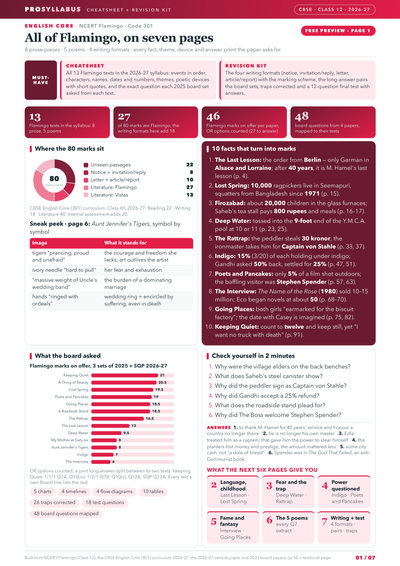
Written by Adrienne Rich, this poem explores the constraints and oppression experienced by women in a male-dominated, patriarchal society. Aunt Jennifer is embroidering a panel of bright, fearless tigers who prance across a green screen — proud, sleek, vivid creatures that do not fear the men beneath the tree. These tigers symbolise the freedom, strength and confidence that Aunt Jennifer herself lacks in her own life. In contrast, her own hands are shown fluttering nervously through the wool, finding even the ivory embroidery needle hard to pull, weighed down by the massive weight of her wedding band — a clear symbol of the heavy burden of her marriage and the oppression she endures. The poet states that the ordeals of married life have so dominated and weakened her that even when she is dead, her terrified hands will still be ringed with the ordeals she was mastered by. Yet the tigers she has created will go on prancing, proud and unafraid, long after she is gone. Through the lasting freedom of her art, Aunt Jennifer expresses the liberation she could never achieve in life. The poem is a poignant comment on the suffering of women trapped in oppressive marriages and on art as a means of expressing the freedom denied in reality.
Extra questions & answers
How are Aunt Jennifer's tigers described in the poem?
They are bright, sleek, proud and fearless, prancing across the screen and unafraid of the men beneath the tree.
What do the tigers symbolise?
They symbolise the freedom, strength, courage and confidence that Aunt Jennifer herself lacks in her oppressed married life.
How are Aunt Jennifer's hands described, and what does this suggest?
Her hands flutter nervously and find even the needle hard to pull, suggesting her timidity, weariness and the burden of her constrained life.
What does the 'massive weight of Uncle's wedding band' signify?
It signifies the heavy burden and oppression of her marriage, which weighs down and dominates her even in small actions.
What is the contrast between Aunt Jennifer and her tigers?
The tigers are free, bold and fearless, while Aunt Jennifer is timid, fearful and weighed down by the ordeals of married life — a sharp contrast.
What does the poet mean when she says the ringed hands will remain even after death?
Even in death Aunt Jennifer will carry the marks of the ordeals she was mastered by, for the oppression of her marriage burdened her whole life.
What will happen to the tigers after Aunt Jennifer dies?
They will continue to prance, proud and unafraid, across the panel — her art and the freedom it expresses outliving her.
How does the poem use art to convey a message?
Through her embroidery, Aunt Jennifer creates the fearless freedom she cannot live, showing art as an outlet for suppressed desires and liberation.
What is the poet's attitude towards Aunt Jennifer?
The poet is sympathetic, presenting Aunt Jennifer as a victim of patriarchal oppression and admiring the enduring freedom of her creation.
What is the central theme of the poem?
It is a comment on the oppression of women in a patriarchal society and the way art can express the freedom that life denies.