Chapter summary
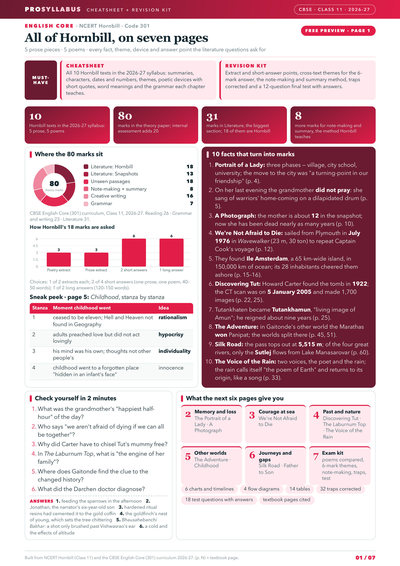
Gordon Cook and Alan East narrate a real-life sea adventure of survival, courage and family solidarity. In July 1976 the narrator, his wife Mary and children Jonathan (6) and Suzanne (7), with crewmen Larry and Herb, set sail from Plymouth aboard the Wavewalker to retrace Captain Cook's round-the-world voyage. In the rough southern Indian Ocean, a gigantic wave strikes on January 2, smashing the deck, injuring the narrator and flooding the ship. Despite cracked ribs and broken teeth, he fights to pump out water, plug holes with canvas, and steer through endless storms. The children show remarkable bravery: Sue hides her serious head injury so as not to worry her father, and Jonathan calmly says they are not afraid to die if they can all be together. With his auxiliary engine dead and using improvised sea anchors, the narrator calculates their position by sextant and dead reckoning, searching for the tiny French island of Ile Amsterdam in a vast ocean. After days of desperate effort, his correction for compass error pays off, and the children joyfully spot the island "as big as a battleship." All survive and are cheered ashore by the island's inhabitants. The account celebrates optimism, presence of mind, teamwork and the courage of ordinary people facing the direst stress.
Extra questions & answers
Who are the authors of this account and what is its subject?
Gordon Cook and Alan East; it is a first-person account of a family's survival during a round-the-world voyage.
What was the purpose of the narrator's voyage and on what boat?
To duplicate Captain James Cook's round-the-world voyage, aboard the Wavewalker.
What steps did the captain take to protect the ship when rough weather began?
He dropped the storm jib, lashed a heavy mooring rope across the stern, double-lashed everything, did the life-raft drill and attached lifelines.
What steps did he take to check the flooding of the ship?
He stretched canvas and waterproof covers across the holes, pumped continuously, and rigged a spare electric pump under the chartroom floor.
How did Sue and Jonathan show courage in the face of danger?
Sue hid her serious head injury so as not to worry her father, and Jonathan said they were not afraid to die if they could all be together.
How does the story suggest that optimism helps endure "the direst stress"?
The narrator's and children's hopeful determination, even when the end seemed near, kept them fighting and ultimately saved them.
How did the narrator finally locate Ile Amsterdam?
By correcting his spare compass for magnetic variation and the westerly current, and using the sextant and dead reckoning to set a course.
What was the difference between the adults' and children's reactions to danger?
The adults felt despair and feared the end, while the children stayed calm, brave and even comforting.
Why did Sue not reveal her injuries earlier?
She did not want to worry her father while he was struggling to save them all.
What lesson does the account convey about hazardous experiences?
Courage, presence of mind, teamwork and optimism can help ordinary people survive even life-threatening dangers.