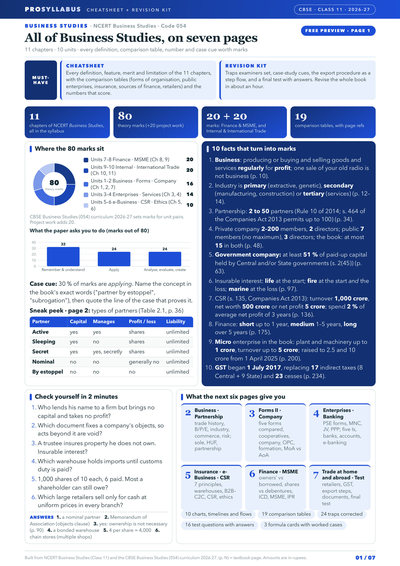
Finance is the life blood of business, required to acquire assets, purchase raw materials and meet day-to-day expenses, and the funds available from the entrepreneur are usually insufficient. Sources of funds are classified on three bases: period (long-term exceeding five years, medium-term and short-term), ownership (owner's funds raised through equity shares and retained earnings, and borrowed funds raised through loans) and source of generation (internal sources generated within the business and external sources). The various sources of finance include retained earnings (the ploughing back of profits), trade credit extended by one trader to another, factoring in which a factor manages and collects receivables, lease financing where the owner of an asset grants its use to a lessee for lease rent, public deposits invited from the public, and commercial paper, an unsecured money-market promissory note introduced in 1990. Long-term ownership and loan capital is raised through the issue of equity shares (the risk-bearing ownership capital), preference shares (which carry a preferential right to dividend and repayment) and debentures (the loan capital carrying a fixed rate of interest). Commercial banks and financial institutions (development banks) provide loans for expansion and modernisation. International financing instruments include Global Depository Receipts, American Depository Receipts (issued only to American citizens), Indian Depository Receipts and Foreign Currency Convertible Bonds. The choice of source depends on cost, financial strength, form of organisation, purpose, time period, risk and control.
Meaning and significance of business financeClassification of sources of fundsOwner's funds and borrowed fundsRetained earnings, trade credit and factoringLease financing, public deposits and commercial paperEquity shares, preference shares and debenturesCommercial banks and financial institutionsInternational financing — GDR, ADR and FCCB
Key ideas & terms
Business finance
The money or funds required by a business to carry out its various activities, often called the life blood of business.
Retained earnings
The portion of net profits retained and reinvested in the business instead of being distributed as dividend; also called ploughing back of profits.
Trade credit
Credit extended by one trader to another for the purchase of goods and services, appearing as sundry creditors in the buyer's books.
Commercial paper
An unsecured money-market instrument issued as a promissory note by highly rated companies for short-term funds, introduced in India in 1990.
Debentures
Instruments representing the loan capital of a company, held by creditors and carrying a fixed rate of interest.
Global Depository Receipt (GDR)
A negotiable instrument issued abroad against a company's local-currency shares, denominated in US dollars and traded freely.
Extra questions & answers
What is business finance and why do businesses need funds?
Business finance is the money required by a business; funds are needed to acquire fixed assets, purchase raw materials and meet day-to-day expenses.
On what three bases are sources of funds classified?
On the basis of period (long, medium and short term), ownership (owner's and borrowed funds) and source of generation (internal and external).
What are retained earnings?
They are the portion of net profits retained and reinvested in the business instead of being distributed as dividend.
What is trade credit?
Trade credit is credit extended by one trader to another for the purchase of goods and services, a common source of short-term finance.
What is commercial paper?
An unsecured money-market instrument issued in the form of a promissory note by highly rated companies, introduced in India in 1990.
What preferential rights do preference shareholders enjoy?
They have a preferential right over equity shareholders to the payment of dividend and to the repayment of capital on winding up.
How do equity shares differ from debentures?
Equity shares are the ownership capital whose holders bear risk and have voting rights, while debentures are loan capital whose holders are creditors earning fixed interest.
Distinguish between internal and external sources of funds.
Internal sources are generated within the business such as retained earnings, while external sources are raised from outside such as loans and the issue of securities.
What is the difference between GDR and ADR?
A GDR is a depository receipt issued abroad and traded freely, while an ADR is issued in the USA and can be issued only to American citizens.
What is lease financing?
A contractual arrangement in which the owner of an asset (lessor) grants the right to use it to another party (lessee) for periodic payments called lease rent.